
B.C. backcountry riders: Stay safe in tricky conditions
Risky conditions may persist despite a Special Public Avalanche Warning ending March 7. Here’s what to look for.
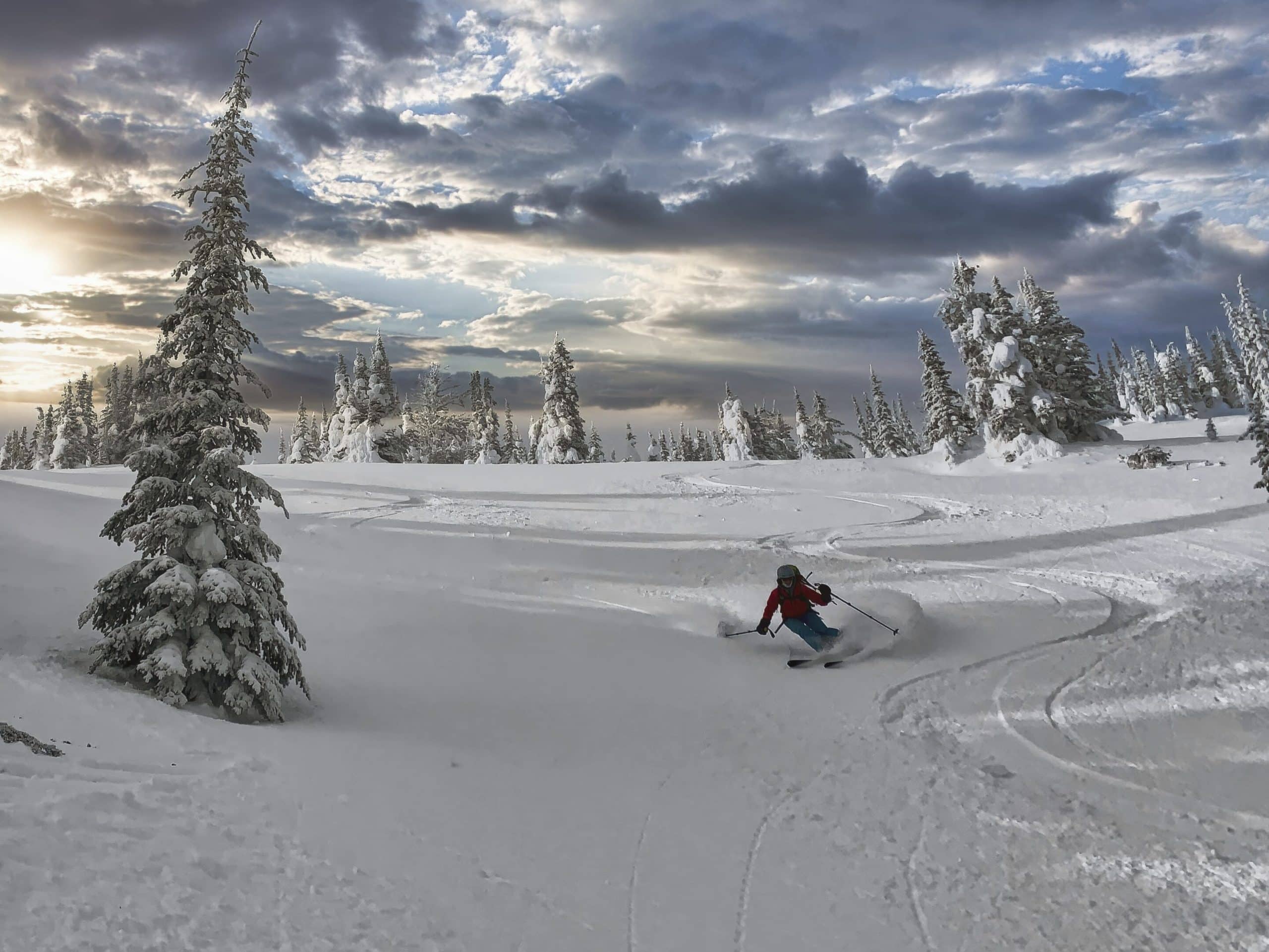
Check the most recent forecast to ensure you have the most up-to-date and accurate information before heading out on the slopes. Always recreate responsibly and do not venture into terrain that is restricted or for which you are not trained.
On Feb. 28, Avalanche Canada issued a Special Public Avalanche Warning (SPAW) due to several concerning factors. A prolonged cold snap created ideal conditions for a weak layer of facets to develop in the snowpack. Strong winds during and after the cold spell built reactive wind slabs on top of this weak layer, leading to widespread propagation and several large avalanches across B.C.’s Interior.
With the SPAW ending on March 7, dangerous conditions may persist. While some areas will see decreasing avalanche danger, buried weak layers remain a serious risk, especially where stormy weather increases instability. Many regions are entering a phase where triggering an avalanche is less likely, but consequences could still be severe. These weak layers take time to stabilize, so continued caution is essential.
Stay alert for warning signs like recent avalanches, whumpfs or shooting cracks. As weak layers get buried deeper, these red flags may become less obvious, making it crucial to stay patient and avoid risky terrain. Use terrain to your advantage—steer clear of traps like thin, rocky areas, convex features and overhead hazards such as cornices. Remotely triggered avalanches have been running farther than expected, even reaching low-angle terrain.
Recent snowfall has bonded well at treeline and below, thanks to warmer temperatures, but conditions become more complex at higher elevations. The alpine remains more reactive, with wind slabs still sitting on the February facets, creating a tricky snowpack. With temperatures returning to seasonal norms, lower elevations will develop crusty, less desirable riding conditions, while the alpine will offer better snow quality—but also greater hazards. The faceted layer, buried 40 to 70 centimetres deep in some areas, has also developed a surface hoar layer, further increasing instability. While the best riding may be found in the alpine, it demands extra caution and careful decision-making.
We’re all hoping for a deep March snow cycle. Maybe it’s time to sacrifice those old rock skis or snowboards in an offering to Ullr, the Norse god of snow, skiing (sadly, snowboarding wasn’t a thing back then), and winter. Ride safe, have fun and recreate responsibly.
What did you think of this story?
Your feedback after we publish a story helps ensure we're always improving our reporting to better serve you.
Related Articles
Sun Peaks adopts new emergency management bylaw
New bylaw formalizes Sun Peaks’ emergency management structure as the municipality works on an updated plan and hazard risk assessment.
Sun Peaks Community Health Association continues work to recruit health-care providers
The Sun Peaks Community Health Association is recruiting multidisciplinary providers and seeking funding, with hopes of reopening within two to three months, president says.
Candidates declared for 2026 Sun Peaks general election
There is one person running for mayor and five people running for council seats in the 2026 Sun Peaks general election.