
Kamloops-Thompson-Nicola candidates answer reader questions on Truth and Reconciliation
Here’s how federal candidates for Kamloops-Thompson-Nicola will approach Truth and Reconciliation.
To ensure Sun Peaks has a voice in the federal election conversation, Sun Peaks Independent News (SPIN) surveyed readers to identify their top questions and concerns for candidates in the lead-up to the April 28 election.
SPIN took the most-asked questions on the survey and reached out to all of the candidates in the Kamloops-Thompson-Nicola riding. These candidates are Frank Caputo, Conservative Party of Canada (CPC), Iain Currie, Liberal Party of Canada (LPC), Miguel Godau, New Democratic Party (NDP), Jenna Lindley, Green Party of Canada (GPC) and Chris Enns, People’s Party of Canada (PPC). For more information about these candidates, visit our Sun Peaks federal election voter guide.
SPIN requested responses from all candidates for the Kamloops-Thompson-Nicola ridings. Despite multiple requests for comment via phone and email, candidates Frank Caputo and Jenna Lindley did not respond prior to publication. We will update the story if responses are provided.
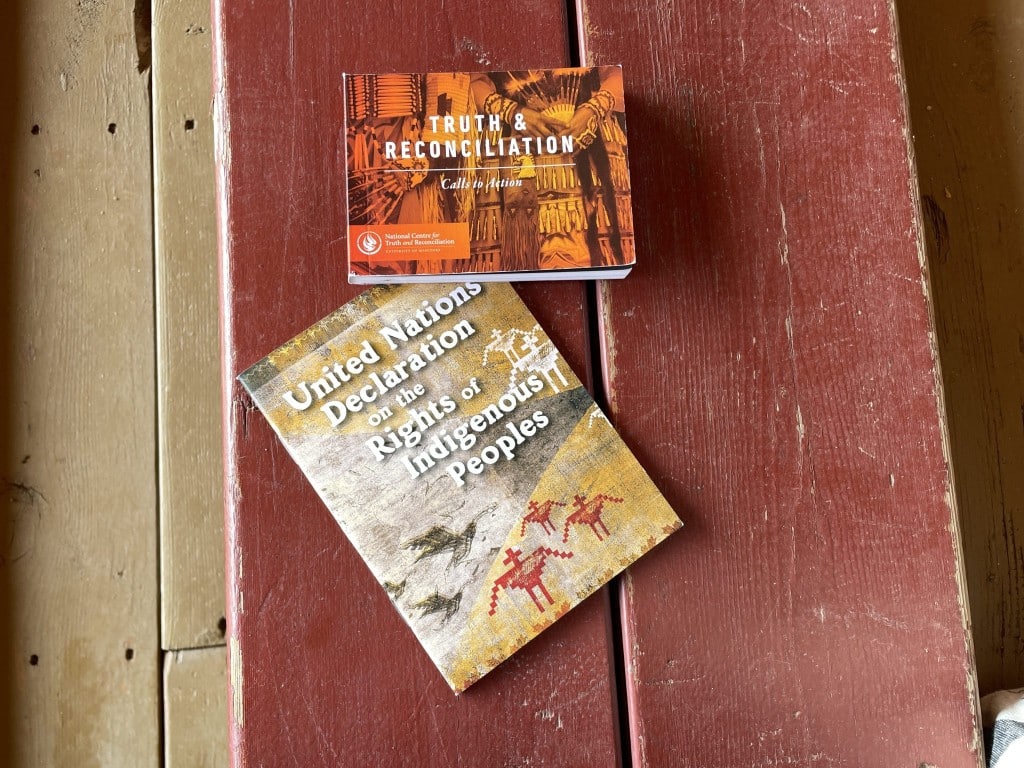
Truth and Reconciliation was among the top issues readers identified as key areas of concern. Below are the candidates’ responses. These responses have been lightly edited for length and clarity.
Why do you think it is necessary to fulfill the 94 recommendations from the Truth and Reconciliation commission and how do you and your party plan to fulfill them?
Iain Currie, LPC
I start by saying that there is a lot more to do. It’s not just a matter of checking boxes on a list, but there also are a lot more boxes that need to be checked. But that’s been a fundamental commitment of the Liberal government and progress is being made.
That would be my commitment to first of all be very transparent in terms of the commitments that the government has made and the recommendations. Also to continue to work and keep those top of mind when considering all of the issues.
Making Canada, just one example, into an energy superpower requires the free and informed consent of First Nations. It’s a fine election slogan for some people to say we’re going to build pipelines and we’re going to greenlight these projects and all the rest of this. But Canada has a constitutional but also ethical obligation to our Indigenous people and to First Nations to consult and to seek consent for these projects.
While we’re proposing to fasttrack projects of national importance the platform is explicit in coordination and with the consent of the provinces and the First Nations involved. That’s a very fundamental precursor to any of these promises and pledges that are being made and not something that I’m hearing from the conservatives.
I think there’s a profound moral and ethical obligation on Canada to correct to the extent that it’s possible and, of course it’s not possible, but to the extent possible to correct the injustices for moral and ethical reasons but also for all the other good government reasons. Financially whole First Nations and strong First Nations – we have so many examples in this area of independent, financially entrepreneurial first nations who are just doing good work for their members but also for the country and being part of the building our economy and making a vibrant economy.
Absolutely there are moral and ethical obligations that fall on Canada but also doing right and is also really the only plan for bringing the country together and moving forward with the economy. All the things we want to achieve, climate mitigation, all of those things require the consent and the involvement of our Indigenous Peoples.
Chris Enns, PPC
The introduction to the Truth and Reconciliation commission’s final report explains, in no uncertain terms, why the commission was required. The 94 calls to action (CTAs) are recommendations, ie. actionable suggestions, to aid healing.
They are broken into two categories. Legacy: acknowledging the full, horrifying history of the residential schools system and Reconciliation: creating systems to prevent these abuses from happening again.
The People’s Party’s principles and platform support these two categories, although some of the individual CTAs (such as adopting the UN’s DRIP) are not the model we would endorse. We oppose any implementation of top-down bureaucratic solutions by Ottawa on dependent communities with no voice in the process.
A People’s Party government would prioritize reforms for Indigenous communities based upon our four founding principles of Freedom, Responsibility, Fairness and Respect. We will respect the constitution and treaties, and maintain that the Indian Act should be abolished. It is racist and paternalistic, keeps indigenous people in a state of dependency and allows the federal government to control most aspects of their lives.
We desire a new legal framework that guarantees them equal rights and responsibilities as Canadians, and promotes the self-reliance of communities. Further, we wish to explore the establishment of individual property rights on reserves, to empower residents and give them increased control over their lives.
Miguel Godau, NDP
I am fully committed to the implementation of all 94 Calls to Action of the Truth and Reconciliation Commission report. Shamefully, in the full decade since the Final Report was issued the Liberals have only completed 13 of the 94 Calls to Action. That is just not acceptable.
New Democrats know it’s not enough to just make promises. We’ll work nation-to-nation, respect the free, prior and informed consent of First Nations, Inuit and Métis peoples, and help deliver what communities need.
New Democrats will continue to: Push for the full implementation of Truth and Reconciliation Commission’s Calls to Actions and Missing and Murdered Indigenous Women and Girls (MMIWG) Calls for Justice, negotiate with First Nations leaders across the country on settlements that respect all First Nations kids who need support, work with communities to lift all long-term boil water advisories and ensure that there are jobs in communities to manage water treatment facilities, make sure all communities trying to find truth and justice for the genocide that took place in residential schools have the supports they need.
Go straight to the source — here are links to the party platforms:
How do I vote?
Voting day is Monday, April 28. Visit SPIN’s voting guide for more information on where to go and what to bring.
Further reading
Candidates in this riding also answered questions for The Wren, our sibling publication in Kamloops. To view their responses on questions of healthcare, housing, affordability, the toxic drug crisis, climate change and sustainability and Truth and Reconciliation, visit our Kamloops election guide.
What did you think of this story?
Your feedback after we publish a story helps ensure we're always improving our reporting to better serve you.
Author

Related Articles
MLA candidates for the 2026 provincial election respond to reader questions
Here’s how MLA candidates answered questions on healthcare, infrastructure, investment and the foreign buyers ban.
Thompson-Nicola Regional District approves 6-month delay to Sun Peaks Transfer Station changes
Changes to the Sun Peaks Transfer Station have been moved from this December to June 2027.
Rob O’Toole reflects on his time as mayor as he seeks to return to council
The outgoing mayor points to new housing, expanded community programming and municipal improvements as key accomplishments, while acknowledging lessons learned from infrastructure challenges and health centre management.