
Municipality review of short-term rentals: balancing tourism and housing needs
The resort municipality is reviewing its TUP system, aiming to balance tourism growth with housing needs through new rules, tiered fees and tighter enforcement.
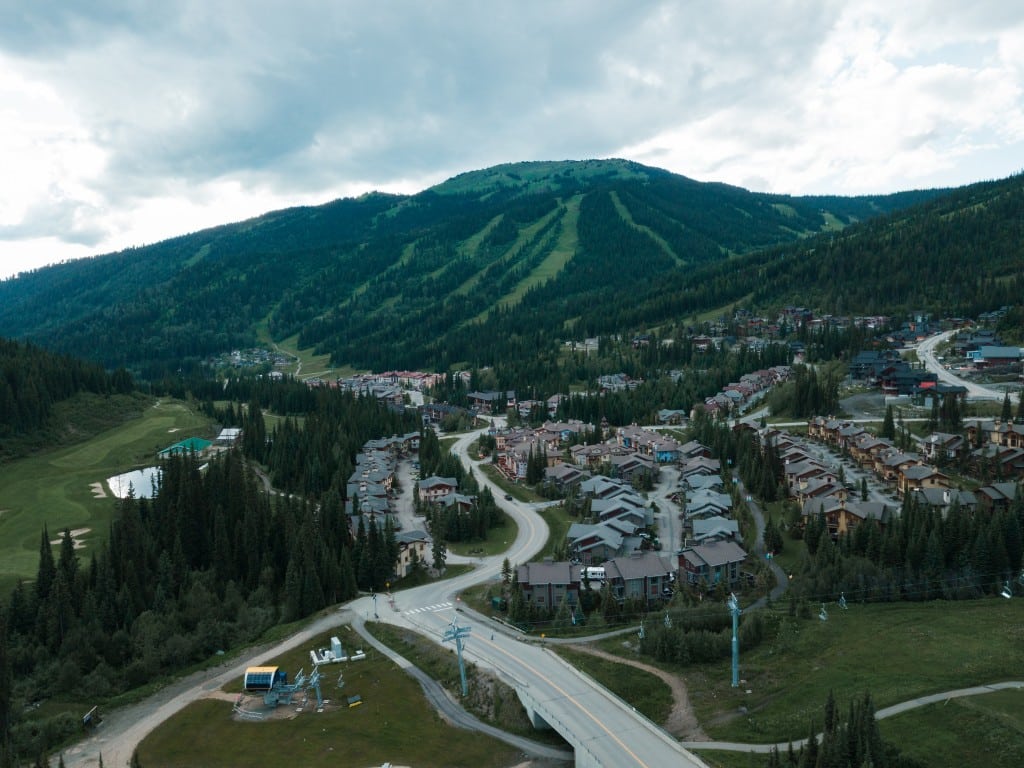
Photo by Kyle James/Sun Peaks Independent News
Sun Peaks Mountain Resort Municipality (SPMRM) is weighing significant changes to how it regulates short-term nightly rentals as part of a bid to balance a booming tourism economy with the needs of local residents.
At a public session on July 31, municipal officials outlined concerns with the current Temporary Use Permit (TUP) system, which allows short-term rentals in zones where they are otherwise prohibited. While these permits are meant to be temporary, with a maximum term of three years and one possible renewal, many have been repeatedly extended, undermining the original purpose.
The municipality’s presentation emphasized the need for a fair, enforceable and community-informed framework that addresses housing pressures while protecting the tourism revenue that drives Sun Peaks’ economy.
Ken Cossey, principal of KWC Planning Services, led the session.
“We must address housing pressures while protecting the tourism revenue that drives Sun Peaks’ economy,” Cossey said.
The current system has created a fee and cost imbalance, Cossey explained, with flat or inconsistent rates that do not reflect property size, rental type or potential impact. Many operators are not required to provide damage deposits or security bonds and some on-mountain contacts—responsible for responding to guest issues—live off-mountain, making timely responses difficult. The rules also fail to distinguish between a small bed-and-breakfast and a large commercial rental, applying a one-size-fits-all approach.
To address these challenges, the municipality is looking at how other resort municipalities manage short-term rentals. Communities like Golden, Revelstoke and Osoyoos apply different rules and fees depending on the type of rental, while Ucluelet on Vancouver Island imposes strict limits on how long TUP can be in place.
Whistler has explored hotspot mapping and public registries to improve transparency. In some places, operators are required to have a contact person available 24 hours a day who can respond to issues within two hours, with visible contact information posted for guests and inspectors. Other municipalities have introduced tiered fees, inspection charges or utility surcharges to better reflect the operational impact of rentals.
SPMRM is now considering revising its permit renewal policies, introducing a tiered fee structure, strengthening enforcement requirements for on-mountain contacts and creating clearer definitions and tailored rules for different rental categories. With the community’s population growing by 128 per cent since 2016, housing availability is becoming an increasingly urgent issue.
One resident who has operated an Airbnb in Sun Peaks since 2007 told council they had received only one bylaw complaint in nearly two decades — yet the case still led to significant additional costs for their business. Because the complaint was anonymous, even municipal bylaw staff could not identify the source, making it impossible to address any potential issues with neighbours.
The speaker said the lack of accountability in the complaint process could allow opponents of short-term rentals to unfairly target operators, and also noted that new on-mountain contact requirements are becoming prohibitively expensive, especially for small family-run properties.
As the first mountain resort municipality in British Columbia, Cossey said SPMRM is committed to striking a balance between maintaining the town’s tourism-driven economy and ensuring that it remains a livable community for residents. Cossey encouraged local voices to help shape the future of the policy as work begins on a more nuanced and transparent rental framework.
What did you think of this story?
Your feedback after we publish a story helps ensure we're always improving our reporting to better serve you.
Author

Related Articles
Candidates declared for 2026 Sun Peaks general election
There is one person running for mayor and five people running for council seats in the 2026 Sun Peaks general election.
Nominations roll in for 2026 Sun Peaks general election
Nomination packages for candidates running in the general election in Sun Peaks can be submitted until Sept. 11.

Family of bears enters Umbrella Café causing ‘minimal damage’
A sow and two cubs accessed the cafe, owned by Sun Peaks Resort LLP, through an air intake early this morning.