
Proposed waste changes could reshape how Sun Peaks manages garbage and compost
Regional district proposes restrictions on commercial loads and commercial organic waste ban at Sun Peaks Transfer Station aimed at reducing taxpayer-subsidized disposal costs.
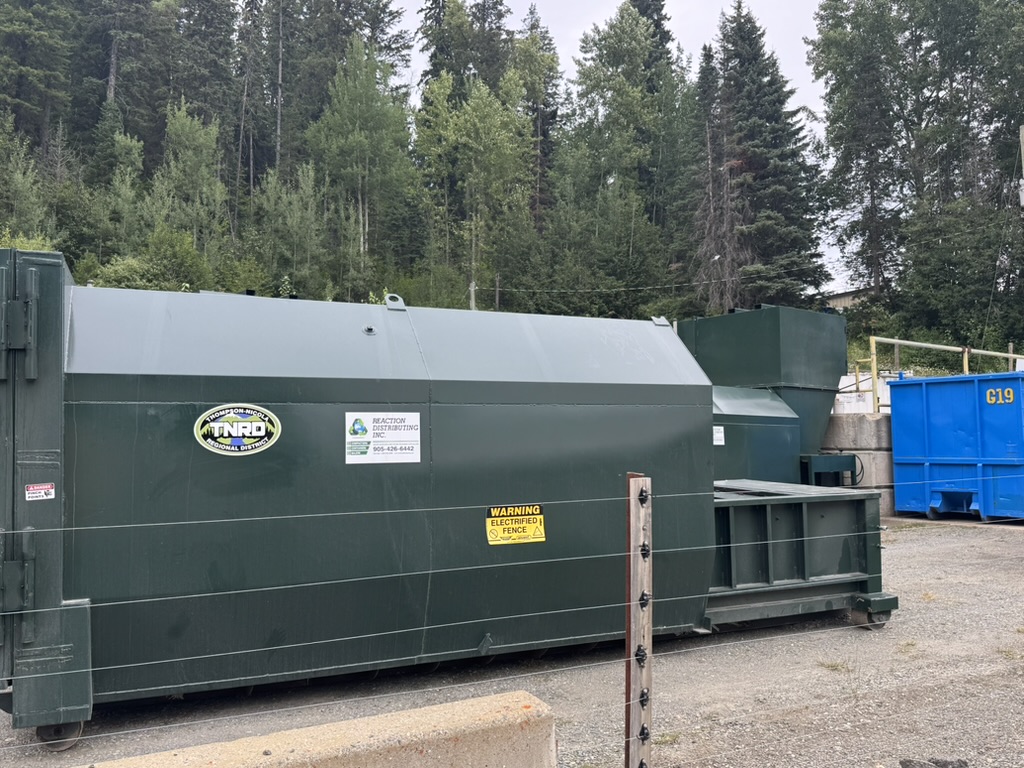
Sun Peaks residents may soon see significant changes to waste management, as Thompson-Nicola Regional District (TNRD) staff move forward with recommendations that would limit commercial access to the Sun Peaks Transfer Station.
The proposals were presented to Sun Peaks Mountain Resort Municipality (SPMRM) council at the committee of the whole meeting Feb. 3 ahead of an expected decision by the TNRD board this spring.
Jamie Vieira, TNRD general manager of operations and Adriana Mailloux, TNRD manager of solid waste and recycling recommended load size restrictions at the transfer station in an effort to return the site to its original purpose: serving residential users.
Built in 2005, the transfer station was designed primarily for passenger vehicles carrying small loads, typically a few bags of garbage and household recycling. However, no formal restrictions were ever established and over time, commercial operators and commercial-type loads, such as trailers, began using the facility Vieira said.
“That causes traffic congestion, longer unloading times and increased costs,”
Currently, SPMRM pays all disposal fees for garbage dropped at the Sun Peaks site. Meanwhile, TNRD solid waste services, funded in part through Sun Peaks property taxes, cover hauling costs. Commercial loads increase both disposal and hauling expenses.
Additionally, recycling commercial cardboard at the Sun Peaks site creates higher costs because it is not subsidized under the provincial Extended Producer Responsibility program through RecycleBC.
Under the proposal, commercial-sized loads would be turned away and redirected to the Heffley Creek Eco-Depot. The Heffley Creek facility, opened in 2013 is a full-service site designed to accommodate large commercial loads, including construction and demolition materials. It includes safe turnaround space for trucks and trailers, expanded recycling services and a weigh scale system that allows accurate disposal fees to be charged directly to commercial clients.
The TNRD Solid Waste Management Committee is expected to consider the recommendation in April, with a board decision anticipated in May. If approved, implementation would take effect Dec. 1, 2026, following a period of communication and education with businesses and strata corporations.
If commercial access is restricted, businesses currently self-hauling waste would need to arrange private garbage, recycling and compost collection directly from their properties.
“These services would be arranged through business-to-business relationships,” Vieira said. “The TNRD and the municipality would not be providing commercial collection.”
This model aligns with standard practice in most B.C. municipalities, including Whistler, where private waste haulers provide collection services to businesses.
Commercial organic waste ban on the horizon
Alongside transfer station changes, the TNRD is preparing to introduce a ban on commercial organic waste, including food scraps and compostable materials, from landfill disposal.
The ban would apply in Sun Peaks, Kamloops and surrounding areas where commercial compost processing services are available. The focus will be on larger commercial generators of food waste, such as restaurants and grocery stores. If approved, businesses would be required to separate organic material for composting rather than sending it to landfill. Fines would not begin until late 2027, allowing time for consultation, system development and education.
“This is very much a carrot-and-stick approach,” Vieira said. “We want to work with businesses and haulers first to ensure they have the proper systems in place. Enforcement would only come later.”
Fines would be applied at disposal facilities to haulers delivering loads that exceed allowable organic thresholds, not through inspection of individual business bins.
Coun. Kelly Dye, who is part owner of Cahility Creek Kitchen + Taproom and Capone’s Italian Kitchen raised concerns that the implementation of a commercial organics ban might not adequately reduce the amount of waste collected.
“I don’t think the garbage will go down as much as you might imagine, because I think there’s more garbage coming in and smaller loads from these properties,” he said.
Vieira acknowledged those concerns, but stressed that waste management costs ultimately need to be covered by those who generate the waste.
“Currently, taxpayers are subsidizing commercial disposal,” Vieira said. “This shift would align costs more directly with the businesses creating the waste.”
Further stakeholder consultation is planned before finalizing bylaw amendments. Outreach will include businesses, strata corporations and private waste haulers to ensure adequate time to prepare for service changes.
What did you think of this story?
Your feedback after we publish a story helps ensure we're always improving our reporting to better serve you.
Author

Related Articles

Healthcare, infrastructure and growth top Sun Peaks election forum
Five candidates responded to questions about the community’s financial pressures, future of the health centre and plans for continued growth at Oct. 1 all-candidates forum.

Sun Peaks mayor-elect Jason White eyes infrastructure, school and opportunities for youth as priorities
After more than 30 years of living and working in Sun Peaks, local business owner Jason White is preparing to lead the community through its next stage of growth.
Janna Brown honoured as a Sport BC Community Sport Hero
After 8 years volunteering with the Sun Peaks Freestyle Club, Brown is recognized for her dedication to competitive snowboarding and the athletes in the Sun Peaks community.