
Unpredicted temperature variances influence season
Each ski season is unique. They can be colder or snowier than usual, or positively balmy. This season has seen large fluctuations in temperature and erratic periods of snowfall, leaving skiers unsure of what to expect next.
On average, the weather has stuck to early predictions which forecasted warmer temperatures and slightly higher than average snowfall in B.C.
According to Kit Nilsson, avalanche forecaster and head of the Snow Safety department for Sun Peaks Resort LLP, the average temperature at Sun Peaks this season so far has ranged from 5 to -10 C.
Meanwhile, the snow base currently sits at 215 centimeters, significantly higher than the last three seasons at this point, where the next highest was 185 cm in 2015-16.
While the long-range predictions for temperature and precipitation averages have proven accurate so far, forecasters didn’t project the seesawing of temperatures the province has experienced.
“Looking at this year’s conditions, the most outstanding weather phenomena has been the fluctuated extreme temperature range and a short time period between such temperature range,” said Nilsson.
He commented there have already been multiple short-term fluctuation events this winter.
“For example, in January, we went from 5 to -18 degrees in only a couple of days.”
Christopher Nicolson, president of the Canada West Ski Areas Association (CWSAA), agreed that while B.C. is experiencing the season “as advertised” by forecasters, the fluctuations in temperature and the skiing conditions they bring are “masked by averages.”
Nicolson said these “bigger variables within weather” have been increasing over the last few years, a fact recognized in the industry.
Ski areas in Western Canada, like Sun Peaks, are adjusting operations to allow for the climatic instability. One example is in strategizing the creation and stockpiling of man made snow in order to minimize effects of premature melting during these extremes Nicolson said.
Looking ahead, backcountry skiers should also take note. Fluctuating temperatures create weak layers in the snowpack, which are buried over time and can cause instability later when conditions change, increasing the avalanche danger.
As the snowpack grows, the size and consequence of potential slides increases, Nilsson advised. Current trends suggest the area might experience a significant accumulation of snow later in the season, similar to last year when the resort closed with a 293 cm snowpack.
Projections look strong for the remainder of the season, with Nilsson and Nicolson agreeing we will likely experience another late spring. No doubt with another temperature fluctuation or two before then.
What did you think of this story?
Your feedback after we publish a story helps ensure we're always improving our reporting to better serve you.
Related Articles
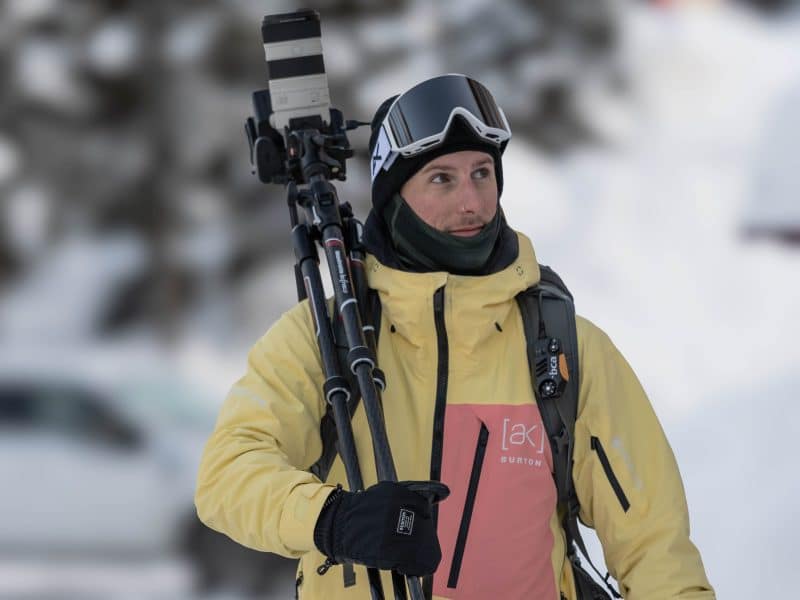
ArtZone Sun Peaks welcomes new president after seven years
Former ArtZone president Marj Kive steps down as KJ Miller takes the reins with plans to expand the organization’s membership, programming and accessibility.
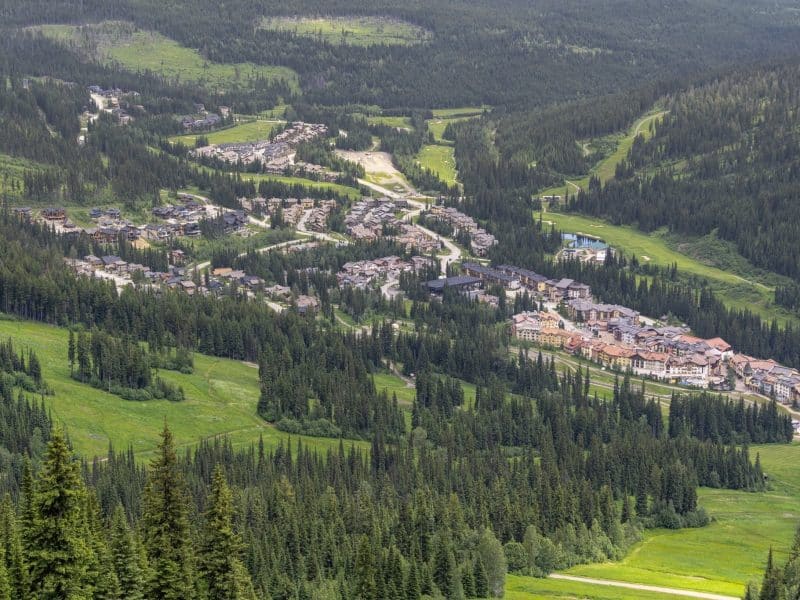
Nominations open for 2026 Sun Peaks general election
Nomination packages for candidates running in the general election in Sun Peaks can be submitted until Sept. 11.
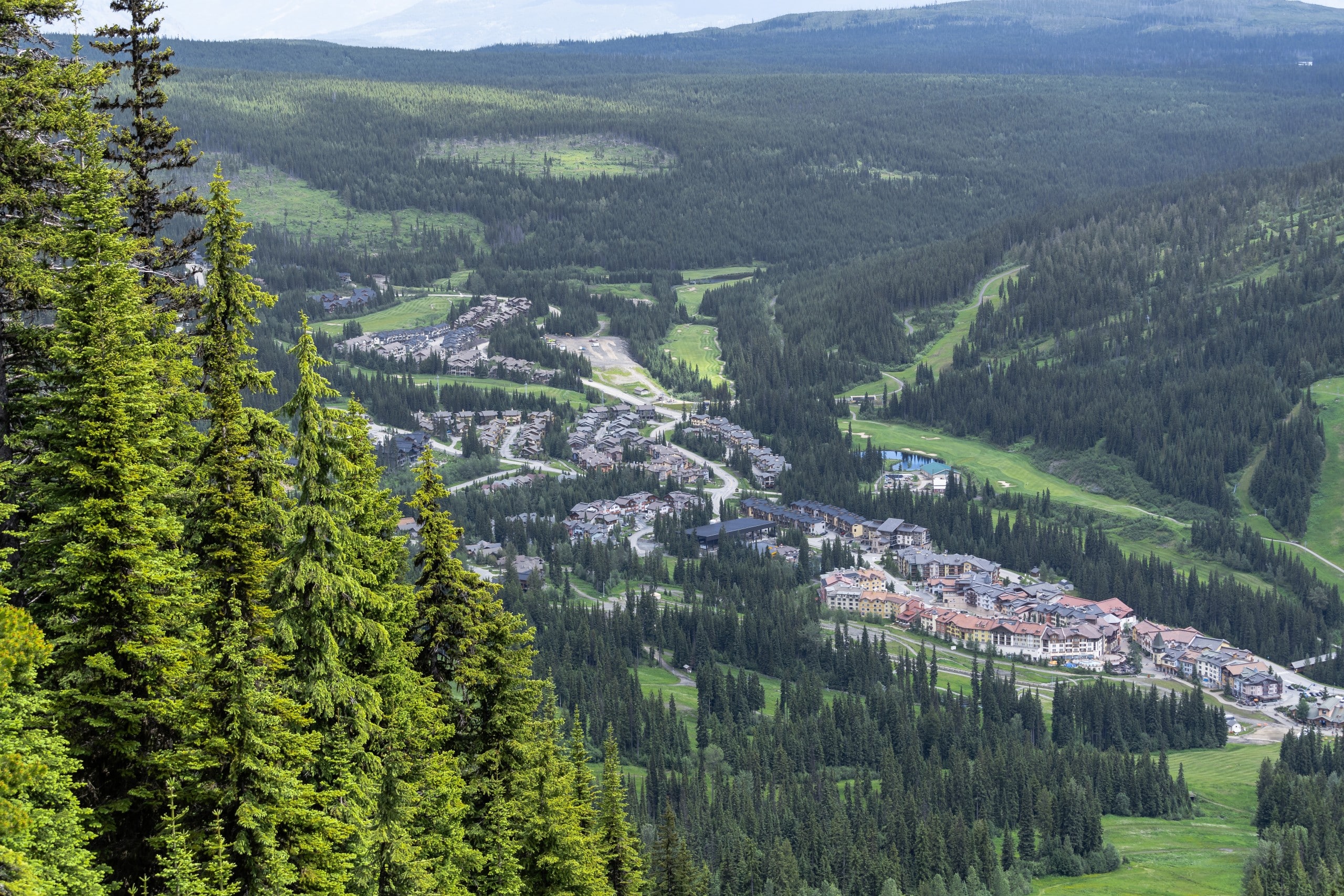
Sun Peaks ‘very much open for business’ amid challenges from the foreign buyer ban
The ban on non-Canadians purchasing property continues to impact Sun Peaks despite sustained advocacy for an exemption by the municipality and Sun Peaks Resort LLP.