
A guide to helping wildfire evacuees
The most effective way to support wildfire evacuees is through financial donations to trusted organizations, the province says.
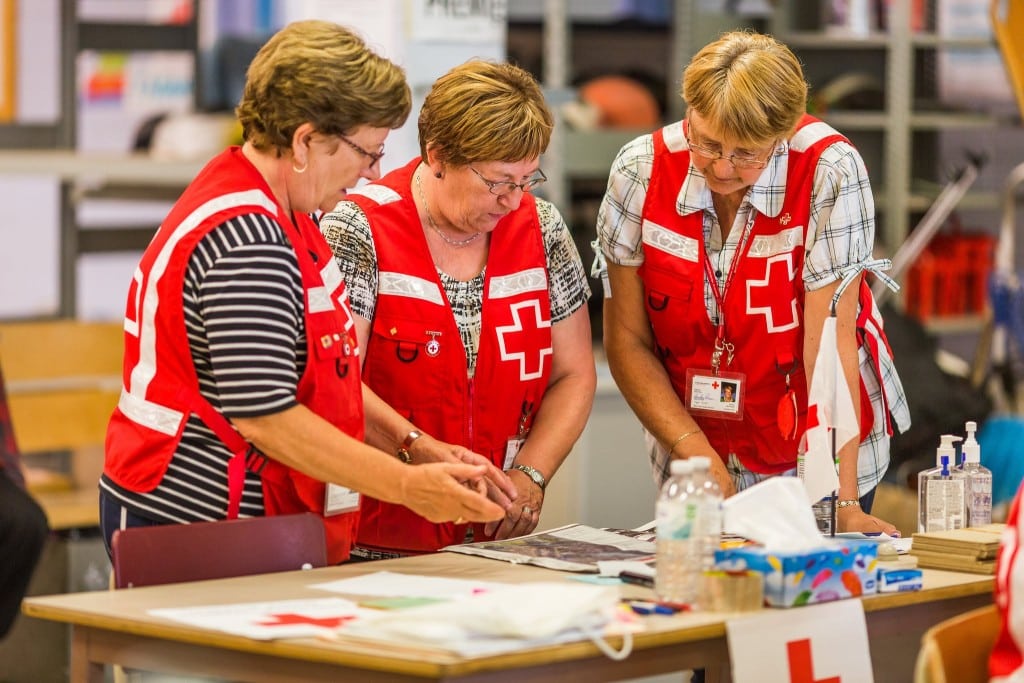
British Columbia is under a provincial state of emergency as of Aug. 8 due to the devastating wildfires in the south Okanagan near Summerland and others in the region, with almost 22,000 people under evacuation orders and over 10,000 people on evacuation alerts.
Sun Peaks is currently hosting a number of evacuees, with at least 15 rooms at the Sun Peaks Grand Hotel and Residences occupied by guests impacted by wildfires, said Christina Antoniak, director of brand and communications at Sun Peaks Resort LLP.
“Our team at the hotel has really come together during this time to support guests who are arriving for a variety of reasons, be that planned holidays, unexpected displacement or as evacuees,” she said. “Our front-line teams are approaching these times with patience, care and compassion, ensuring guests are welcomed with open arms.”
With an outpouring of support from people who are not directly affected, organizations and governments have released statements clarifying what is helpful for those impacted.
In 2023, which saw more than 6,000 wildfires and 15 million hectares of land burned, SPIN gathered information from those working to help the nearly 33,000 evacuees that year to learn what’s most effective.
“The two most helpful, and gratefully accepted items will always be time and funds directly donated to official organizers,” Kamloops Area Fire Watch admin Jolene Tinebra wrote at the time. “There are highly experienced volunteer coordinators and not-for-profit leaders in our amazing community who are able to turn your ‘dime’ into a dollar and there is always enough work to keep many hands busy.”
While organizations like Kamloops Emergency Support Services, the SPCA and United Way do rely on volunteers to support their efforts, many of these organizations have intake processes to ensure that volunteers are screened, receive appropriate training and can support where and when needed before an emergency happens.
If you are interested in supporting Kamloops Emergency Support Services by volunteering time, submit an expression of interest for the Level One team here.

Supporting financially safely
Folks are encouraged to support trusted organizations financially, according to the provincial website dedicated to the state of emergency.
“While offers of donated goods are well intentioned, physical donations can be difficult to transport, sort, store and distribute during an active emergency,” it reads.
The Ministry of Emergency Management pointed to Canada Helps as a way to find verified charities responding to the current wildfire situation.
“Unless a community has asked for specific goods, British Columbians who wish to help are asked to make a monetary donation to trusted organizations, which are supporting the province and local authorities in providing assistance to those affected by the wildfires,” the ministry told SPIN in 2023.
Charities are required to provide audited financial statements, which are often posted to their websites. United Way BC and the Canadian Red Cross both publish annual financial statements, and the Canadian Red Cross states on its website that it will “never ask for your banking information, social insurance number or credit card number in order to register.”
Callouts for mutual aid through social media posts and crowdfunding sites like GoFundMe can directly support families who have lost their homes. Though these social media posts or crowdfunding appeals are not necessarily verified, these grassroots efforts play a particularly important role in marginalized communities.
If the GoFundMe is tied to an individual rather than a known organization, look for information, updates and photos/videos or contact the organizer directly. Additionally, GoFundMe has a ‘giving guarantee,’ which protects donors in the event of fraud.
The ministry for emergency preparedness also provided some tips for donating safely: Avoid cash or wire transfers and make sure the recipient is an organization, not an individual. If donating online, look for secure websites. Beware of high-pressure tactics and ask for more information if you’re unsure.
“A legitimate charity will still be there tomorrow. Feel free to take the information and sleep on it,” the ministry recommended.
Here are a few verified resources to support:
BC Wildfire: BC Wildfire Service crews and personnel can’t accept monetary gifts or other donations. For services like food and shelter, BC Wildfire has contractors who ensure wildfire crews get what they need, when they need it. If you would like to donate, BC Wildfire suggests contributing to the Canadian Red Cross.
You can also help by reporting smoke, flames or irresponsible behaviour that could trigger a wildfire, such as a campfire during a fire ban. Call 1-800-663-5555 or *5555 on your cell.
Canadian Red Cross: To support people impacted by B.C. wildfires, you can make a financial donation online at redcross.ca, or by calling 1-800-418-1111. You can also review available volunteer opportunities here.
Kamloops ESS: For folks interested in supporting the Kamloops ESS by volunteering time, submit an expression of interest for the Level One team here.
United Way Wildfire Relief: United Way is asking that people interested in volunteering register and review current requests for volunteers. The organization is also accepting donations to the wildfire relief fund.
Volunteer Kamloops: Volunteer Kamloops connects more than 60 organizations with volunteers. You can review available positions here.
Four Paws Foodbank Foundation: Welcomes donations of treats and toys. Drop off locations include Total Pets, Canyon Ridge Studio, PetSmart and Bone and Biscuit. For more information, contact Four Paws via Facebook Messenger or email at fourpawsfoodbank@gmail.
Kamloops BC SPCA: Call 1-855-622-7722 or visit the Kamloops Animal Centre at 2816 Tranquille Rd. If you are interested in volunteering with the BC SPCA, email volunteers@spca.bc.ca to be connected with the appropriate centres and programs.
What did you think of this story?
Your feedback after we publish a story helps ensure we're always improving our reporting to better serve you.
Author

Related Articles

MLA candidates for the 2026 provincial election respond to reader questions
Here’s how MLA candidates answered questions on healthcare, infrastructure, investment and the foreign buyers ban.
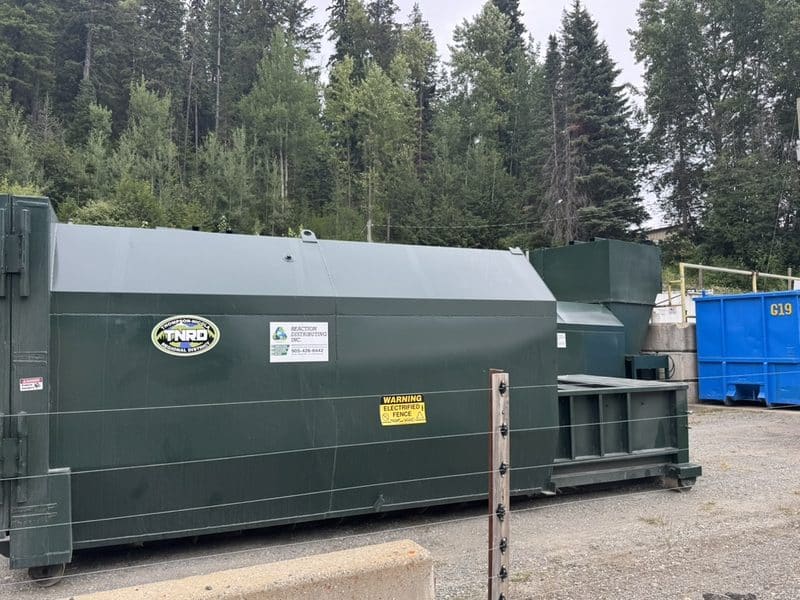
Thompson-Nicola Regional District approves 6-month delay to Sun Peaks Transfer Station changes
Changes to the Sun Peaks Transfer Station have been moved from this December to June 2027.

Rob O’Toole reflects on his time as mayor as he seeks to return to council
The outgoing mayor points to new housing, expanded community programming and municipal improvements as key accomplishments, while acknowledging lessons learned from infrastructure challenges and health centre management.