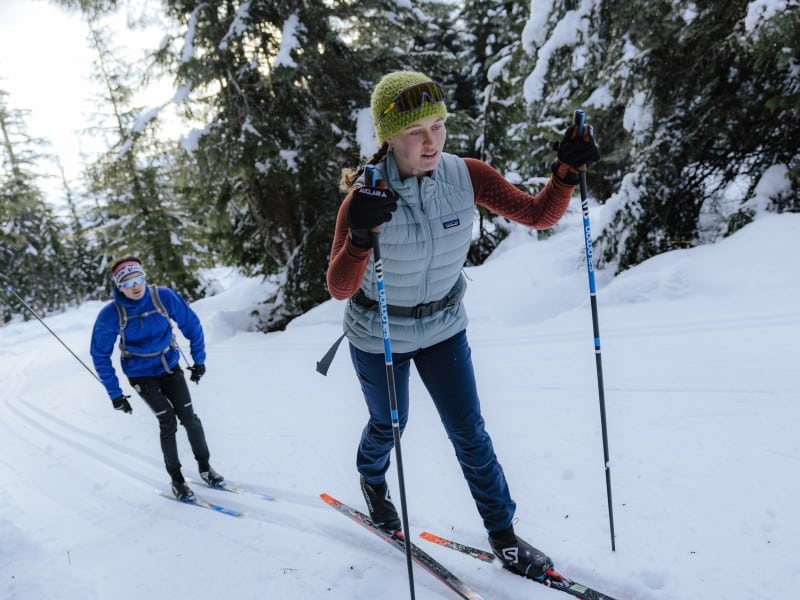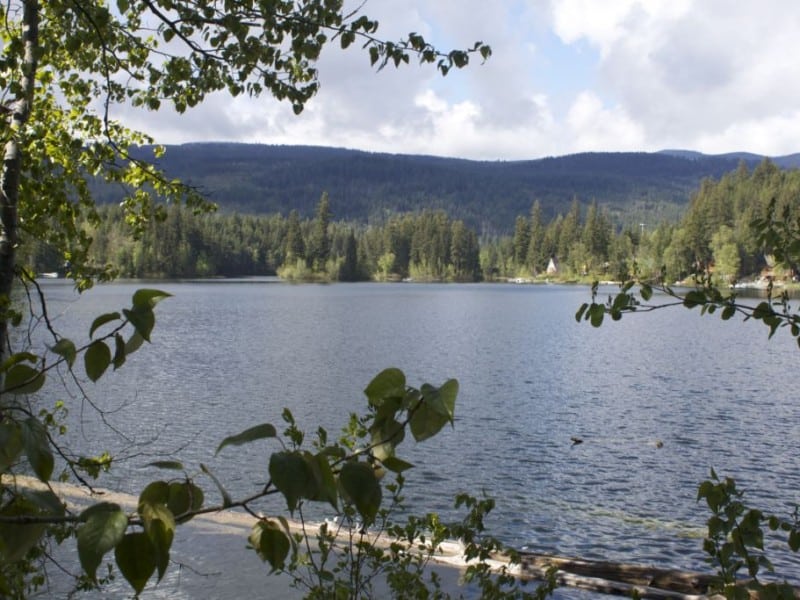

Each year wildflowers blanket the slopes of Sun Peaks to the delight of visitors from around the world. From dainty blue blooms to bold red flowers every colour is represented vividly.
Check out our guide to Sun Peaks’ flowers below or bring it along on your next hike to learn more.
Arrow-Leaved Groundsel
They’re widespread and common at higher elevations in wet or moist climates and grow from 10 to 150 cm tall.

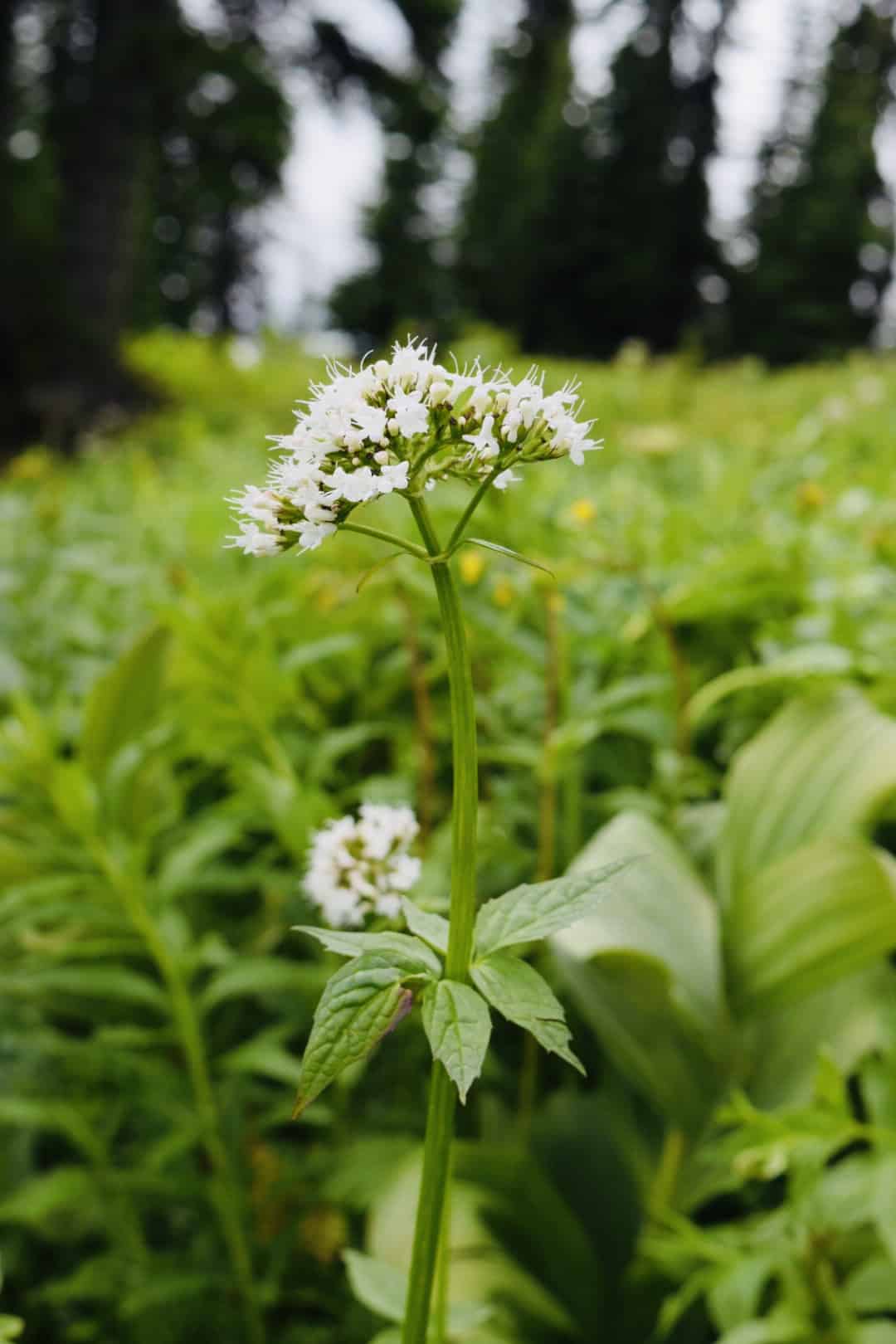
Sitka Valerian
From 30 to 120 cm tall. Sitka Valerian are responsible for the strong smell in subalpine meadows after the first frost. Secwepemc people have used the plant as a medicine and disinfectant.
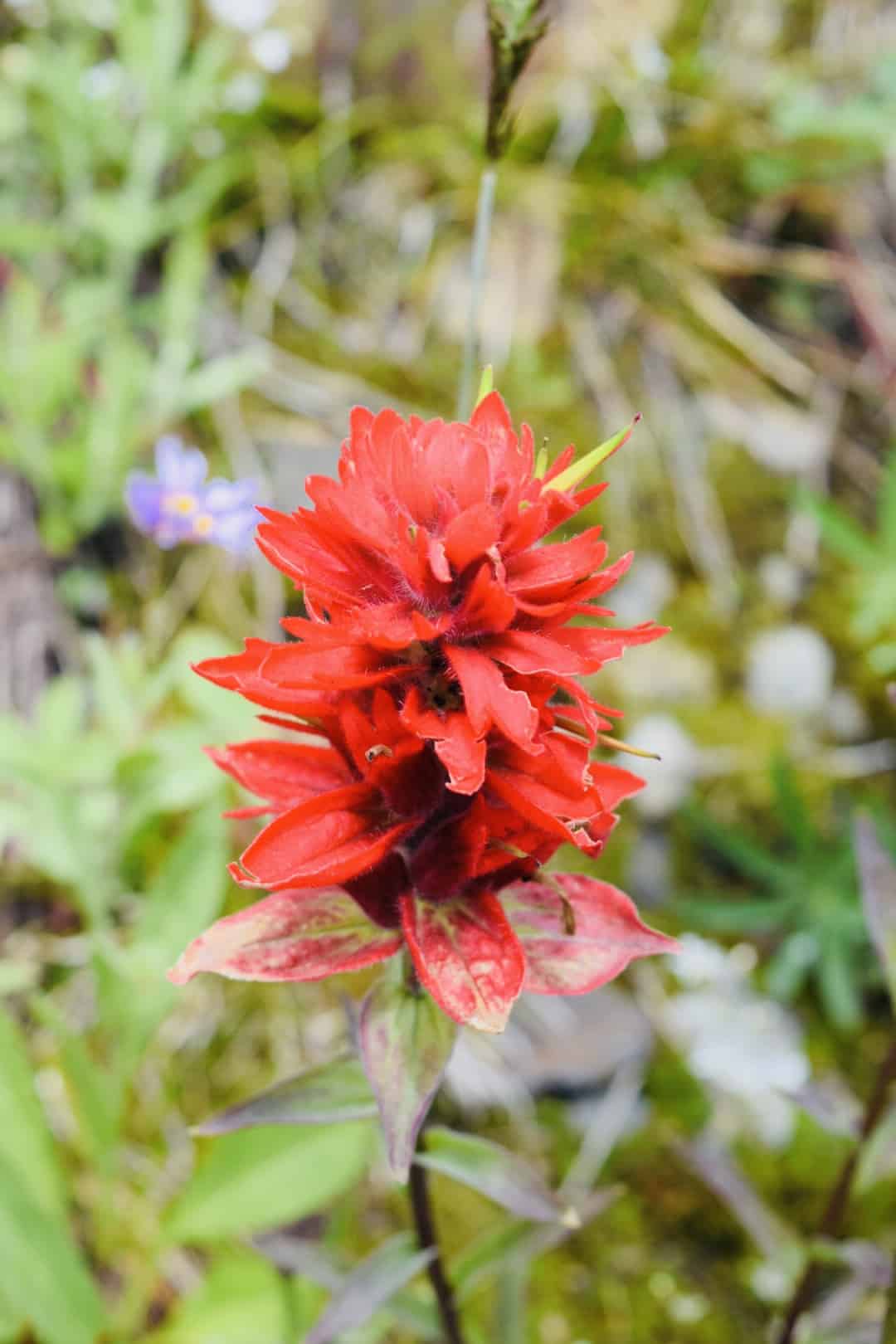
Alpine Paintbrush
Alpine Paintbrush are between 10 and 30 cm tall and found mostly south of Williams Lake.

Arctic Lupine
This flower grows around 80 cm tall and can range from blue to pink in colour. It’s a favourite food of marmots.

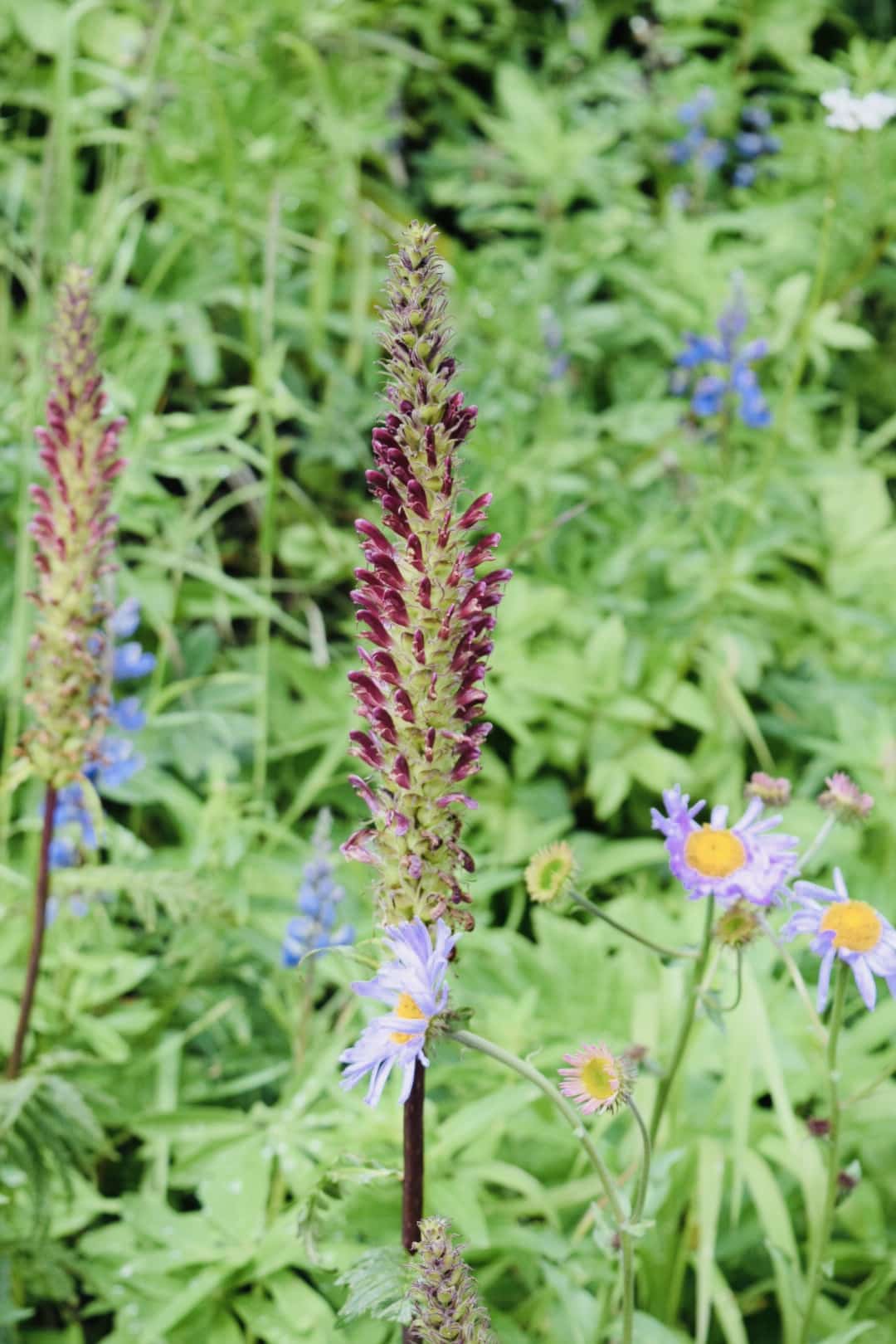
Elephant’s Head Lousewort
This plant, 20 to 60 cm tall, is infrequent at mid to subalpine levels but can be found around Sun Peaks this year! Its flower cluster resembles an elephant’s head when blooming.
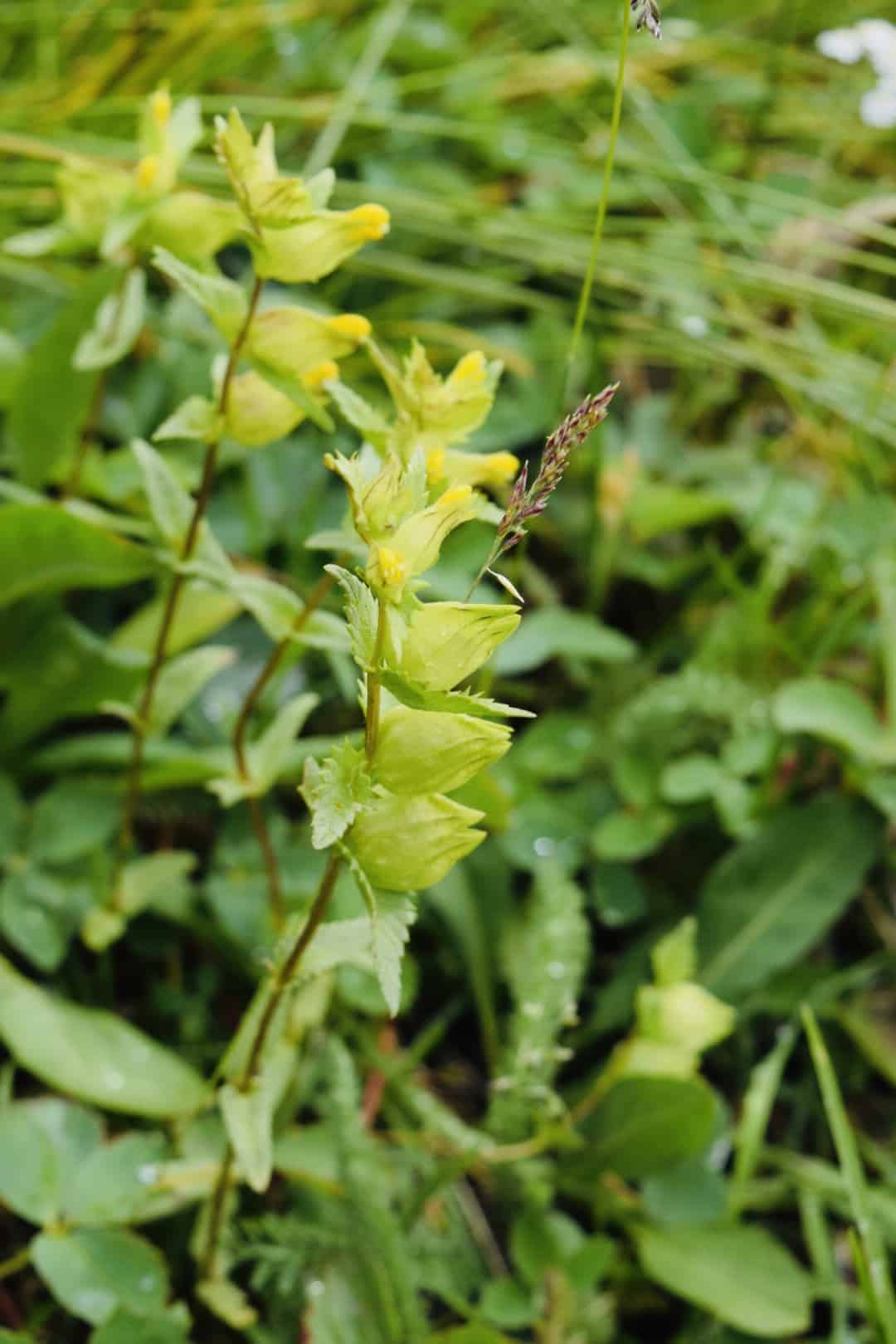
Yellow Rattle
These plants are semi-parasitic on the roots of neighbouring plants to gain water and minerals. When mature the seed capsules make a rattling noise, hence the name.
Fireweed
This colourful favourite can grow up to three metres tall and has wide spreading roots. It can come in colours like rose and purple. It’s especially common in recently burned or open areas. Indigenous people in the Interior have used it to treat eczema or to make twine for fishing nets.

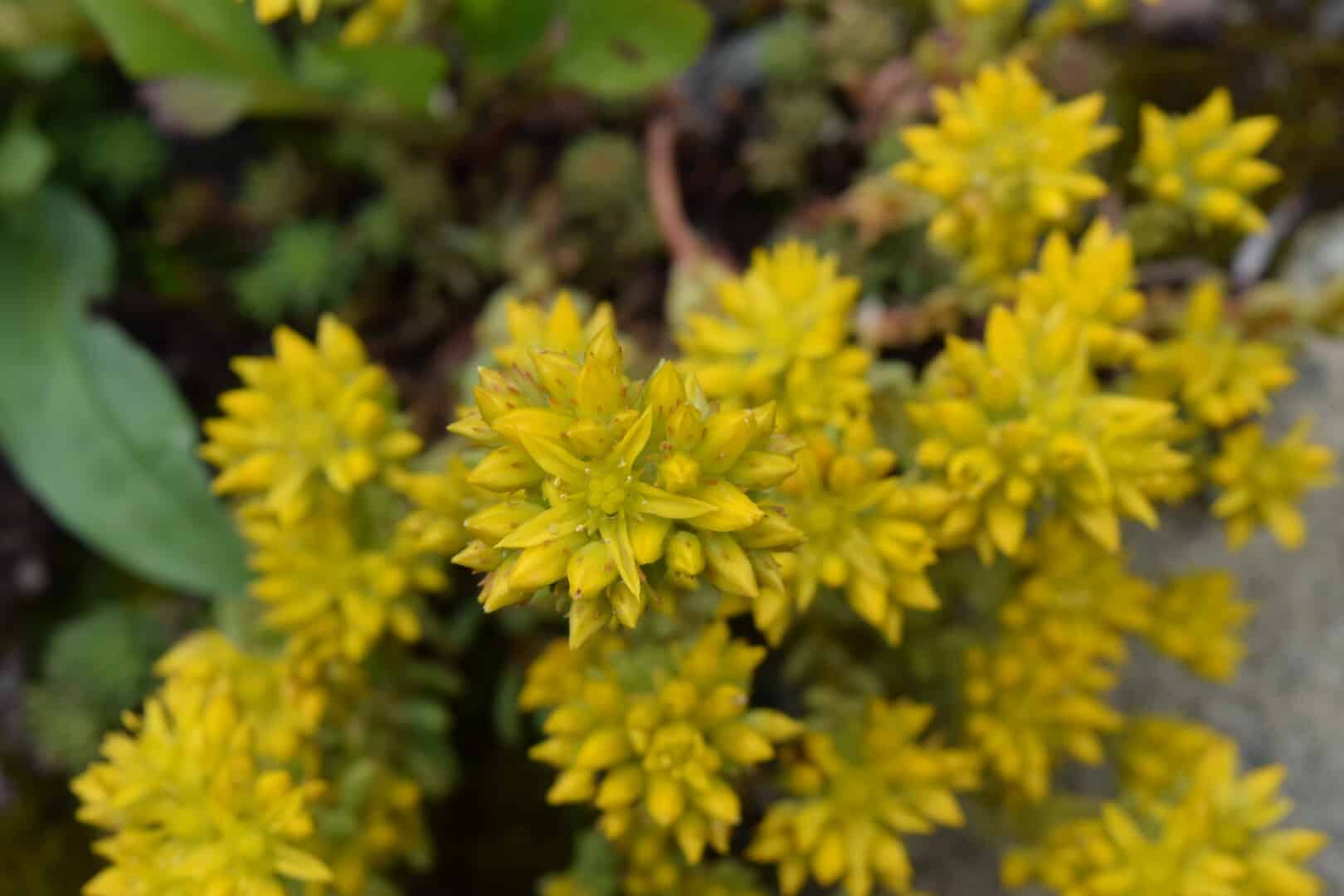
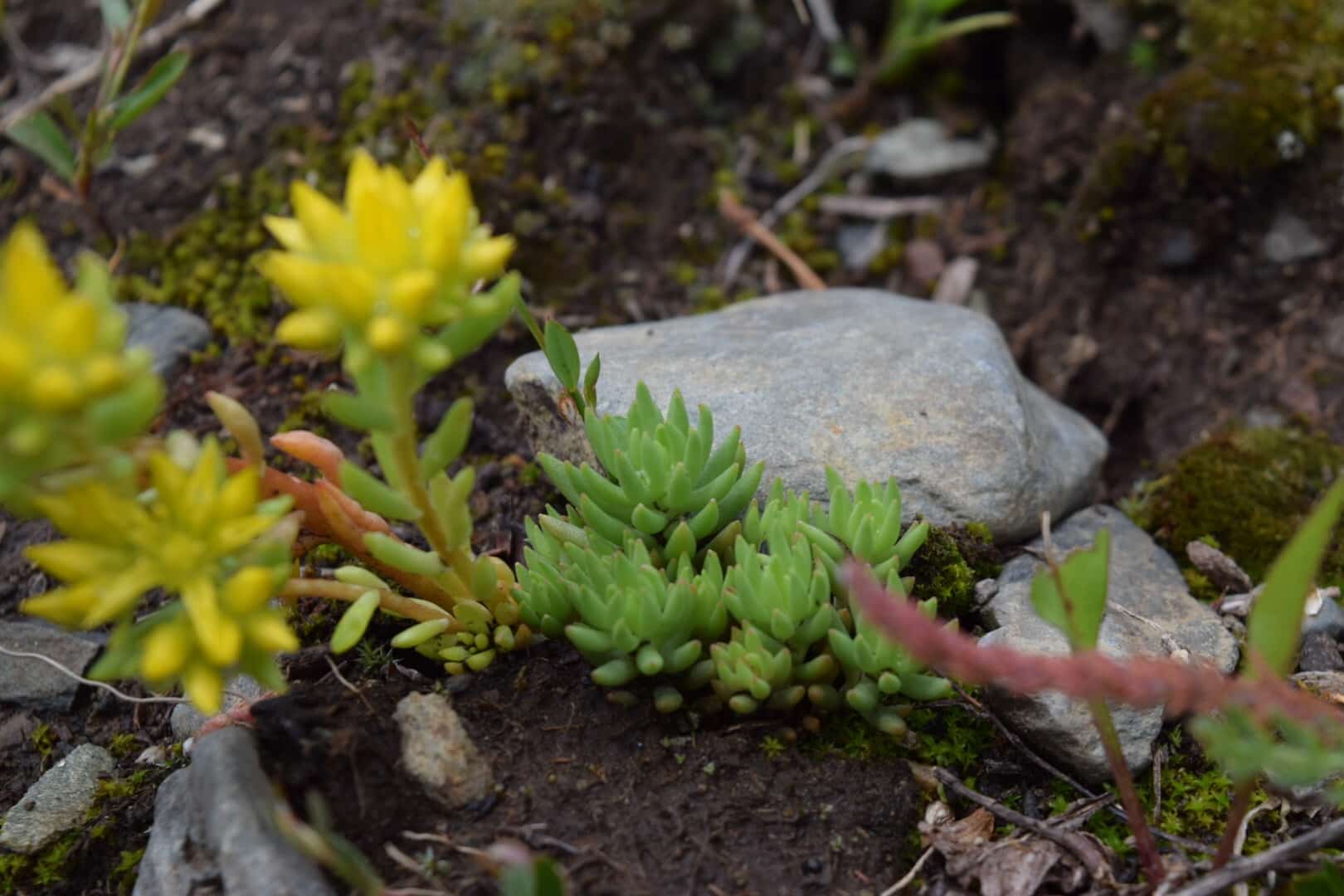
Lance-Leaved Stonecrop
This cute succulent can be found on dry, open slopes, ridges or outcrops. Its most often seen on very dry, thin or gravel slopes. Some Indigenous people have used the plant as a laxative or to clean the womb after childbirth.
Lance-Leaved Stonecrop
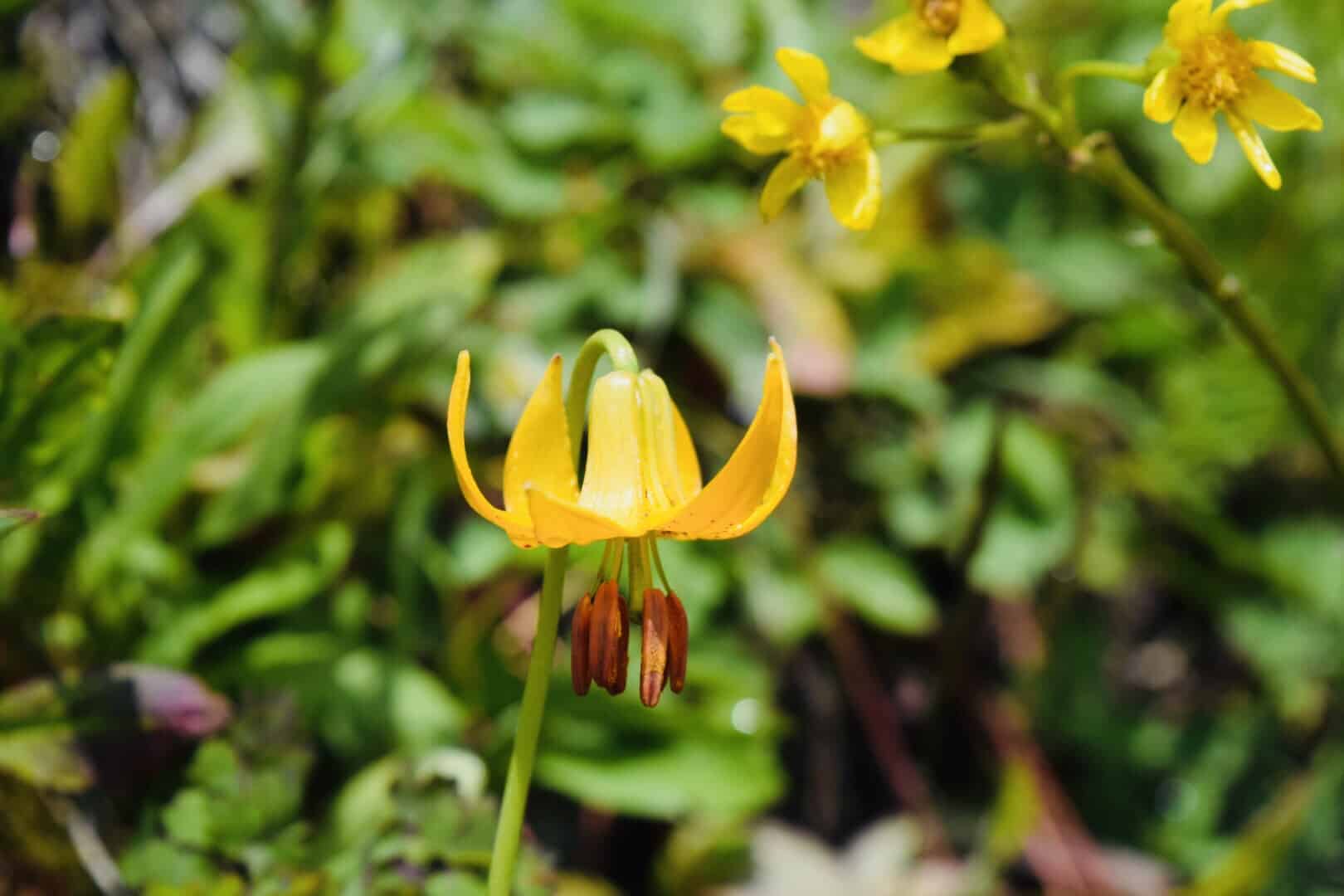
Tiger Lily
The tiger lily can grow up to one metre tall and its petals curl back toward the stem. Lily’s can have up to 30 flowers on one stem. They were often used by Interior Indigenous people as a condiment to add a pepper-like taste to other foods.
Larkspur
One thing that makes the larkspur unique is the structure allows only insects with long feeding structures like butterflies and bees to access the nectar. It’s also toxic to cattle and humans, but sheep can be used to eat an eradicate the plant.

Red Columbine
These can grow up to one metre tall in low to subalpine elevations. They attract hummingbirds and bees with their nectar and Indigenous people have used them for a good luck charm for gambling and love. It can also be called a Sitka Columbine.

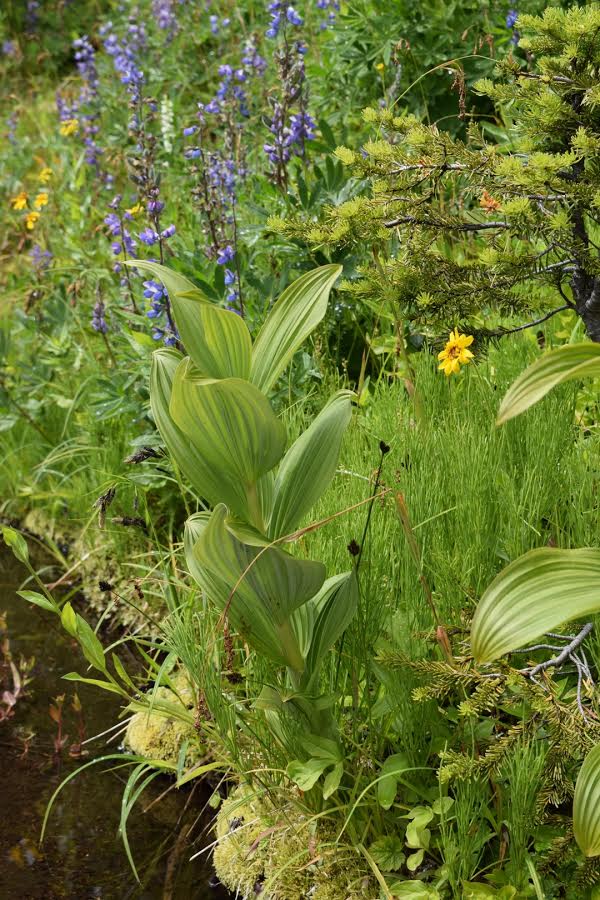
Indian Hellebore
These tall plants, (up to two metres) have long, pointed leaves and star shaped yellow-green flowers with a musky odour. All parts are poisonous to livestock and humans but have been used by Indigenous people as a remedy for advanced stage cancer or tuberculosis in certain circumstances.
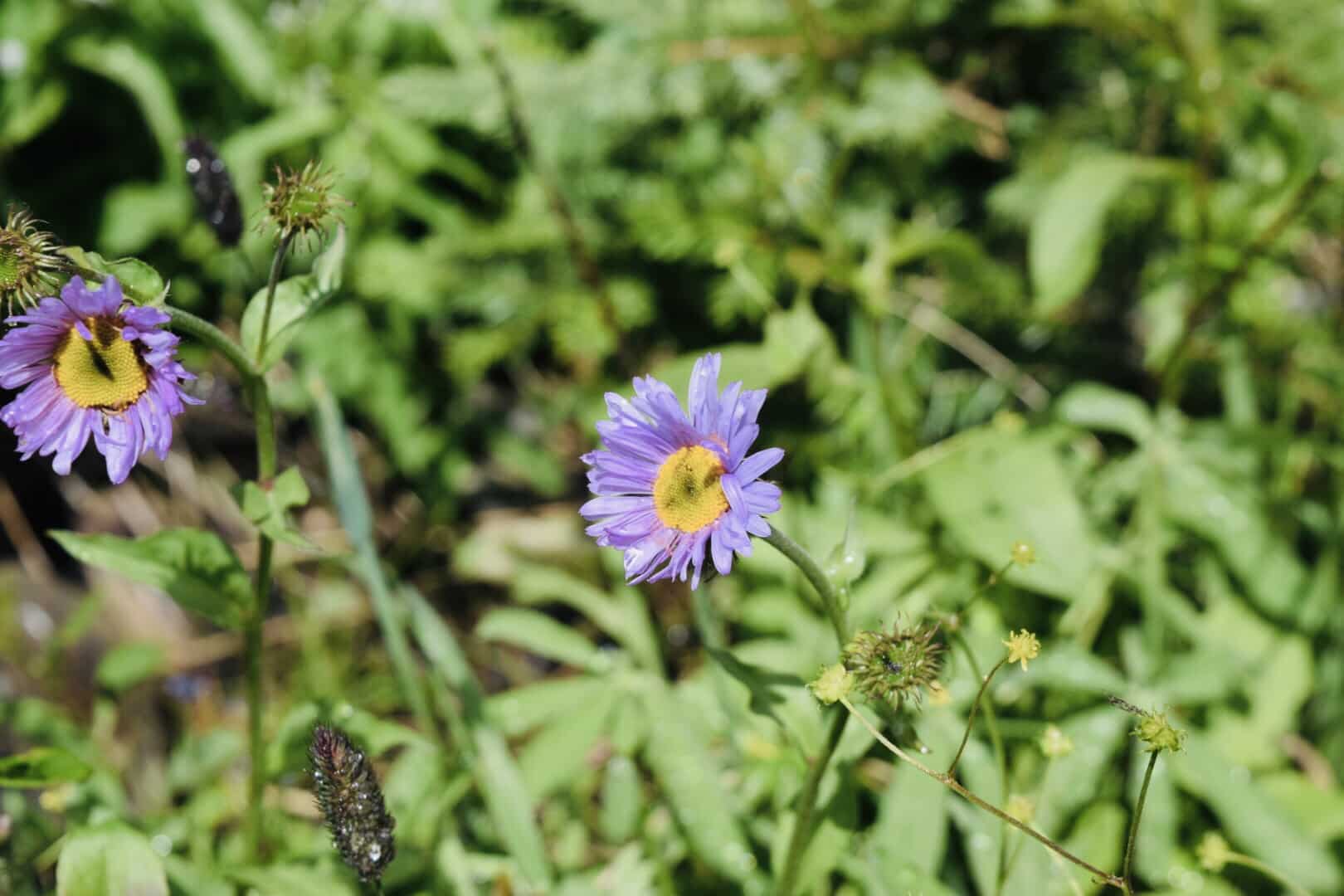
Showy Aster
These flowers, from blue to violet or yellow, are known for the medicinal properties. Indigenous people have used them to treat and wash boils, sores and infections.
Cow Parsnip
This big bloom is sometimes confused with Giant Hogweed, but isn’t poisonous to humans. In fact some Indigenous people use it as a green vegetable, eaten raw, boiled, steamed or roasted. Some may even make toy flutes and whistles from the hollow stems.

Pearly Everlasting
These cute white flowers are part of the sunflower family. They can grow over one metre tall and the leaves and young plants can be cooked and eaten.

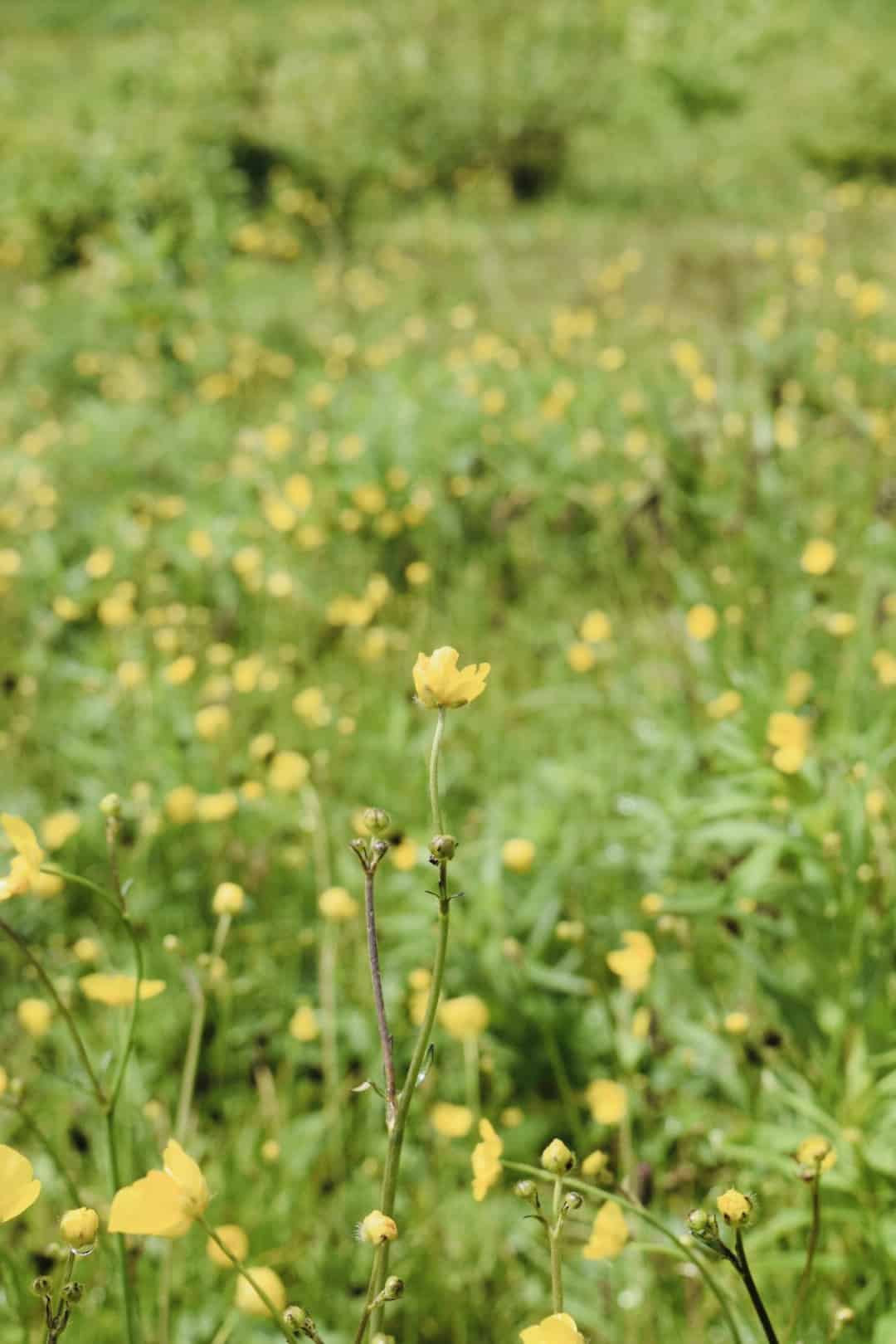
Buttercup
These classic yellow beauties can be poisonous to humans and cattle. Their shiny petals reflect light.
What did you think of this story?
Your feedback after we publish a story helps ensure we're always improving our reporting to better serve you.