
Sun Peaks ‘very much open for business’ amid challenges from the foreign buyer ban
The ban on non-Canadians purchasing property continues to impact Sun Peaks despite sustained advocacy for an exemption by the municipality and Sun Peaks Resort LLP.
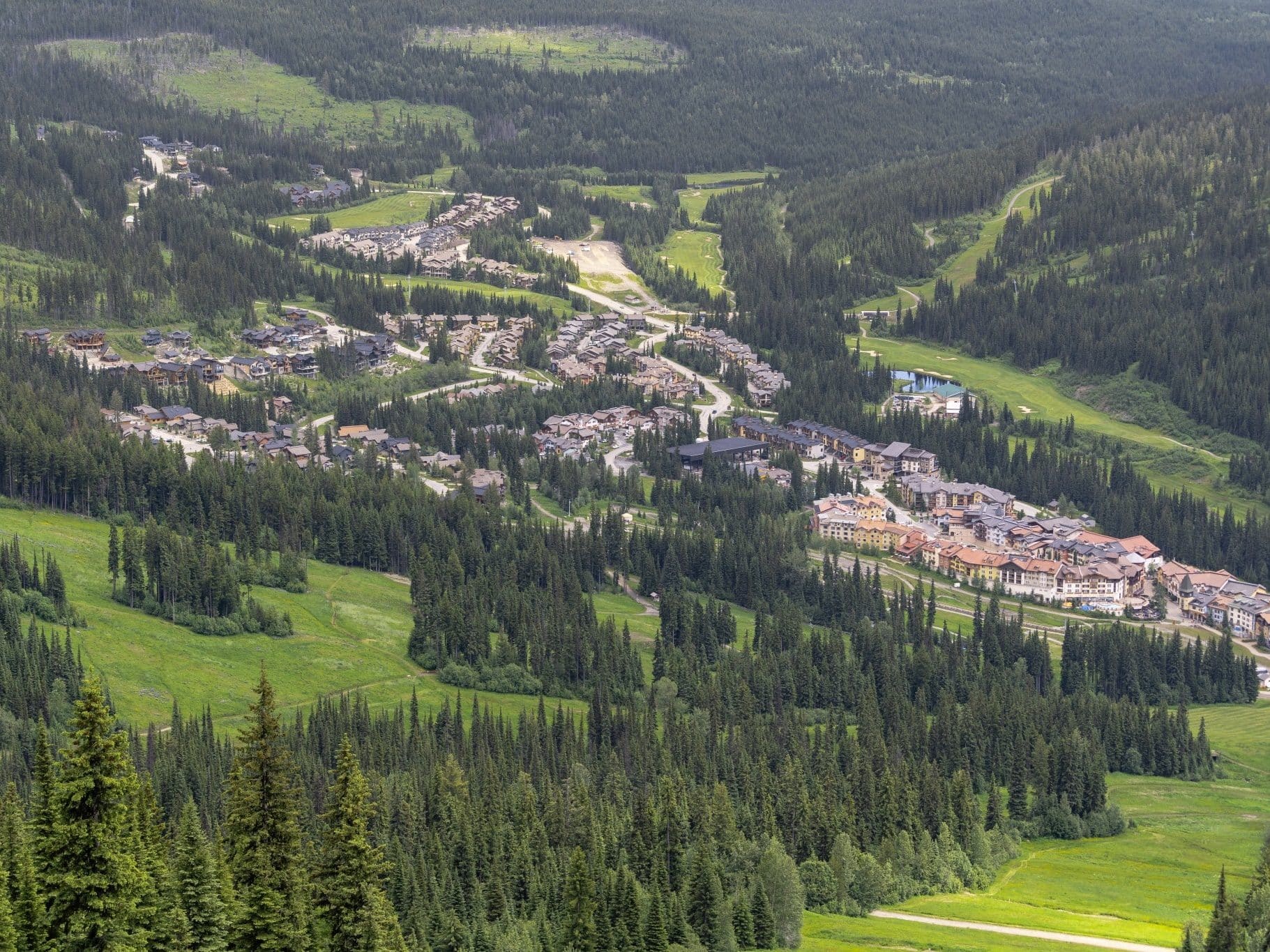
Over three years have passed since the federal government enacted the Prohibition on the Purchase of Residential Property by Non-Canadians Act, also known as the foreign buyer ban. Despite consultation and exemptions for most resort communities, development in Sun Peaks remains stalled due to the legislation.
The act imposes a country-wide ban preventing non-Canadians from purchasing homes in Canada, created with the intent of increasing housing supply and lowering costs for Canadian citizens and permanent residents.
Though initially set to expire in January 2025, the ban was extended in February 2024 for an additional two years.
“By extending the foreign buyer ban, we will ensure houses are used as homes for Canadian families to live in and do not become a speculative financial asset class,” Chrystia Freeland, former deputy prime minister and minister of finance shared while announcing the extension.
Barring additional extensions, the ban will end next year.
The majority of resort communities have been exempt from the ban, owing to reliance on tourism, and the federal government consulted on the ban for six months before it was put in place Darcy Alexander, CEO of Sun Peaks Resort LLP told SPIN.
However when the legislation was passed, Sun Peaks as a part of the Census Metropolitan Area of Kamloops, became inadvertently impacted by the ban, something that continues to cause financial pressures and infrastructure challenges. The legislation accommodates recreation properties outside of a census metropolitan area, which comprise a core population. Adjacent municipalities are included in a census metropolitan area when there is “a high degree of integration with the core, as measured by commuting flows derived from data on place of work from the previous Census Program,” according to Statistics Canada.
“Of the…ski resorts in British Columbia, only three are caught in the legislation because of this technical error,” Alexander said.

“Somehow, Sun Peaks, Silver Star and Apex are considered to be part of their local cities, not places on their own,” he added, explaining that Sun Peaks has its own economy and workforce, and advocating for an exemption for the 14-year-old municipality.
“The fact is, we are not a bedroom community reliant on the City of Kamloops,” he said.
The foreign buyer ban’s impact on resort investment
Foreign buyers are a vital part of a tourism economy and support the resort with accommodation options, Alexander said.
“Everybody needs beds and accommodation to stay in to come to the resort. It’s a critical component. So if you don’t have the beds, it doesn’t work nearly as well,” he said.
Investment by Sun Peaks Resort LLP has been put at risk by the ban he added, noting slow sales in the Switchback Creek Development. The resort has invested nearly $60 million into the $100 million project according to Alexander, which includes infrastructure useful for other projects.
“[Sun Peaks Resort LLP] planned the development of Switchback Creek, got development approvals, municipal zoning, all that kind of stuff back in 2021, before the foreign buyers ban was even thought of,” he said. “In what would be a normal market for us, we would expect to sell roughly a third of that project to foreign buyers.”
The second part of the project has been put on hold until the real estate sales are able to pick up, he added.
Despite lobbying efforts to amend the ban, Alexander said that this technical error has been ignored for four years.
“The federal government has not acted on any of the advice that we’ve given them. We’ve made repeated presentations, as has our municipal government… we’ve talked with Census Canada, all kinds of departments in the federal government that we could talk to,” he said. “It’s very frustrating, and it’s just not fair.”
Though he isn’t sure of the next steps the federal government will take with the ban Alexander said the resort and partners, such as the Canadian Ski Council and Canada West Ski Areas Association, will continue to advocate for Sun Peaks to be exempt.
“This is in my mind just a plain and simple government error and a lack of willpower on their part to correct the error,” Alexander said. “What we’d like to do is have them own up to the fact that this wasn’t intended to happen.”
Budgetary impacts of the foreign buyers ban in Sun Peaks
During this year’s budget and five-year financial planning process, the foreign buyers ban was noted as one of the primary reasons behind low levels of development and growth support in Sun Peaks.
The municipality has seen lower-than-expected contribution to the development cost charges reserves, which are earmarked to fund growth infrastructure with developers paying for the costs associated with expanding utilities and roads.
As a result, it is more reliant on internal borrowing, taking funds from other reserves to help pay for growth-related projects.
“When developers aren’t building, we’re not collecting development cost charges, we’re not collecting building permit fees,” Mayor Rob O’Toole told SPIN. “All these things affect the ability for the municipality to build reserves and to invest money in infrastructure.”
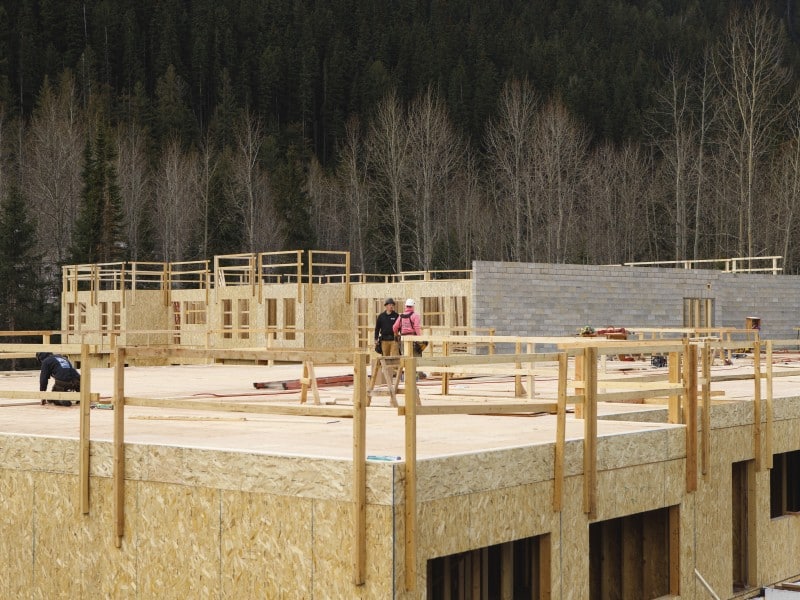
The ban is also cited as hampering the municipality’s ability to meet the requirements of the Housing Accelerator Fund, which invests money into communities to support development of local housing supply.
The municipality is at risk of losing a portion of the $1.5 million federal Housing Accelerator Fund unless targets are met by 2027.
“The loss of the important non-Canadian buyer market, by the mistaken inclusion of Sun Peaks in the foreign buyers ban has dramatically impacted the sales of development units at Sun Peaks and as a result stopped the creation of additional projects for both real estate and resort growth initiatives for the entire community,” municipal Chief Administrative Officer Deanna Campbell wrote in a report to council.
While the municipality has a good working relationship with the grant disburser, Canada Mortgage and Housing Corporation, there is “a significant amount of pressure from them to meet our housing requirements,” Campbell said during the March 24 council meeting.
“This is a heavily, heavily scrutinized funding program from the federal government,” she added.
While advocacy efforts by the municipality and Sun Peaks Resort LLP have garnered provincial backing, the federal government has still not given any indication that it will renew, cancel or amend the ban, O’Toole said.
“We don’t know the answer to that question at this point, but it has had a major impact, and I think part of the key here is that it’s an unlevel playing field,” he continued. “When we look even within our region… real estate sales from an international standpoint are thriving in those communities,” he said of places like Whistler, Rossland and Fernie.
“We don’t have the opportunity to get a piece of that pie, and then obviously there’s a trickle down effect to that.”
On a broad level, development in Sun Peaks would bolster industries such as forestry, O’Toole said, improving economies outside of the municipality. But on the smaller scale, he noted the pressure the ban places on local businesses to operate.
“It just sends a message that we as a community are not open for business, which is the last thing we want people to see and hear. We’re very much open for business.”
Looking ahead, O’Toole isn’t anticipating the removal of the ban as a “magic wand” that will suddenly get things back on track. Instead the municipality is preparing for a “cultural and mindset shift” around purchasing in Sun Peaks with investments in infrastructure to support growth.
“We’re looking out two, three, 10 years. What does that projected development growth look like? What kind of development cost charges income can we see coming in? What kind of annual can we start to forecast? What are our building permit fees going to look like?
All those things come into place. The second the ban’s lifted, we can look at those numbers much more optimistically than we are at the moment.”
What did you think of this story?
Your feedback after we publish a story helps ensure we're always improving our reporting to better serve you.
Authors


Related Articles
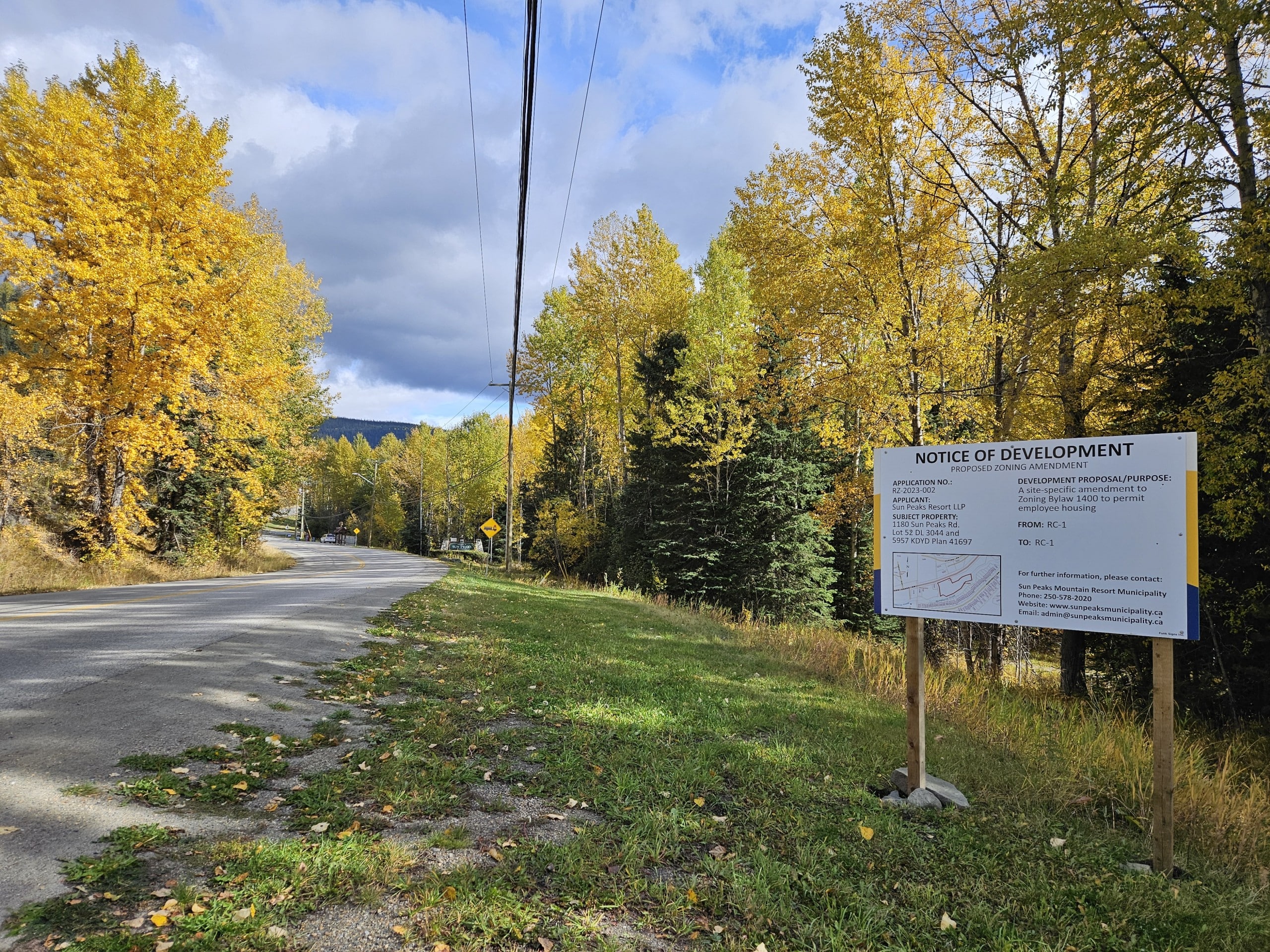
Foreign buyers ban affects municipality’s ability to meet Housing Accelerator Fund agreements
Municipality is at risk of losing nearly $380,000 from the Housing Accelerator Fund.
Kamloops-Thompson-Nicola candidates answer reader questions on the federal foreign buyers ban
Here’s how federal candidates for Kamloops-Thompson-Nicola will deal with the federal foreign buyers ban.

Foreign buyers ban leaves millions of dollars of investment at risk
Sun Peaks Resort LLP partners with the Canadian Ski Council and others to lobby for amendments to the foreign buyers ban.