
What is the future of outdoor recreation in British Columbia?
For the first time in 20 years, B.C. is trying to create a coordinated strategy for outdoor recreation.
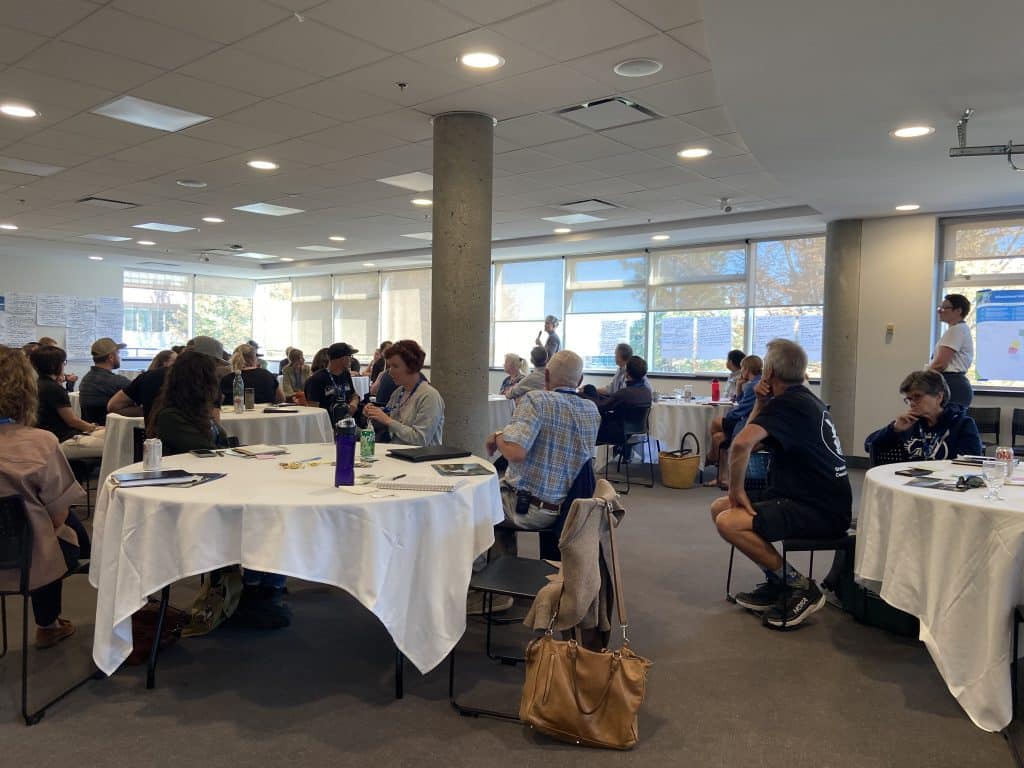
The Ministry of Environment and Climate Change Strategy is working with partners in the outdoor recreation sector and other provincial agencies to create a strategy for recreation in British Columbia.
To develop the strategy, various groups connected to outdoor recreation took part in engagement sessions, the fourth and final of which was held Sept. 14 at Thompson Rivers University. The session’s goal was to listen to diverse perspectives to better understand how the province can support a growing outdoor sector.
The sessions were run by John Hawkings, Executive Lead, Recreation Strategy and Service Transformation for the Ministry of Environment. During the session, he highlighted how it’s been 20 years since there has been a coordinated strategy for outdoor recreation in the province.
SPIN attended the session and reached out to organizations based in the Interior of B.C. after the event to learn about their vision for the future of outdoor recreation. Themes include Indigenous reconciliation, diversity and inclusion, volunteer needs and environmental consideration.
Reconciliation, Diversity and Inclusion in outdoor recreation
A significant lens for the future strategy for outdoor recreation included reconciliation with Indigenous peoples, diversity and inclusion. The Ministry of Environment and Climate Change Strategy will be holding consultations with First Nations governments throughout the process of creating an actionable plan over the next year.
Most people in attendance were not from diverse racial backgrounds, which the organizers touched on during brainstorming sessions. Organizers asked attendees to consider why the outdoor sector lacked diversity, and how the space may feel unsafe for people of diverse backgrounds, including Indigenous peoples.
Relationship building with First Nations governments is important for the Outdoor Recreation Council of BC. Louise Pedersen, executive director for the council, believes creating a provincial strategy will provide “meaningful opportunities.”
“There’s going to be really meaningful opportunities for Indigenous groups to become involved in the planning and the management of outdoor recreation in the future, to a much greater extent than what we see now,” Pedersen said.
She believes many recreation groups don’t have all the necessary tools or knowledge to establish working relationships with Indigenous groups, but must learn how to engage in reconciliation.
“It’s not just up to the province to provide that guidance,” she said. “It’s really up to any organization, including the Outdoor Recreation Council.”
Volunteer burnout
Through conversations Pedersen had with over 80 member organizations, from hiking and angling to trail groups, she learned members need help with volunteer burnout.
“Most of the trails on Crown land outside the park system are developed by volunteers,” she said. “They apply for authorization to establish the trails, they have come up with the funding, they do all the fundraising. It’s a lot of work. There needs to be some more support on how we can create a bit more sustainable situation for this sector.”
She also advocated for better funding for various agencies responsible for outdoor recreation in the province, including B.C. Parks and Recreation Sites and Trails B.C.
Cindy Kozak-Campbell, president of the Kamloops Outdoors Club, also highlighted this issue.
“The volunteer base for our club is mostly retired people in their 60s and 70s, so our ability to be very active in maintaining trails starts to get a bit limited,” Kozak-Campbell said.
One solution to counter burnout presented at the meeting included centralizing resources to assist community groups in funding requests for trail development and maintenance.
“[The funding process is] quite complicated even if you want to maintain a trail that may have fallen into disuse,” Kozak-Campbell said. “There are a number of ministries that you need to contact and get approval from. So how could that system be made easier?”
Increased use impacting the environment
The COVID-19 pandemic fueled activity in outdoor spaces, a finding that was present in other engagement sessions.
“We’ve seen very significant uptake in outdoor recreation during COVID,” Pedersen said, noting increased use in backcountry access as well as trails closer to home.
The Kamloops Outdoors Club has also felt the strain on outdoor spaces since COVID-19.
“Many more people are using the outdoor spaces now,” Kozak-Campbell said. “That wear and tear on areas – especially the well-loved areas that get the social media attention – it’s really contributing to erosion in the trails.”
She went on to say without camping sites or toilets, the environment degrades.
Representatives from the Heffley Lake Community Association (HLCA) attended the event, and in an email to SPIN Jim Davies, the HLCA highlighted the issue of increased use in Heffley Lake.
HLCA found that COVID-19, social media attraction and increased watersports put pressure on the lake. Climate change has also led to people seeking water and shaded trails to survive extreme heat, and there’s more conflict between use groups vying to launch boats and swim at the boat launch.
The conflict has led to increased use at Armour Creek, a popular locals’ destination on Heffley Lake, where there aren’t toilets or garbage cans. In response to the issue, Recreation Sites and Trails B.C. is considering expanding day-use sites on Heffley Lake, and the Ministry of Environment is considering a pay-per-use model to tackle associated maintenance costs at recreation sites.
While various groups at the session argued for a pay-per-use model to help curb high use and fund maintenance, there were also concerns that it would disproportionately impact people without the means to pay for access.
“I think it’s a bit of a slippery slope,” Kozak-Campbell said. “That may impact people that don’t have the resources who should still be able to get out and enjoy the environment without necessarily having to pay every time they do it.”
She said an alternative model could include a QR code where people can voluntarily donate to trail associations or become members of an association, paying dues that help with maintenance costs.
Feedback from the session is going to be taken into consideration by the Ministry of Environment and Climate Change strategy over the next year, and they hope to have an actionable plan by the summer of 2024.
What did you think of this story?
Your feedback after we publish a story helps ensure we're always improving our reporting to better serve you.
Author

Related Articles
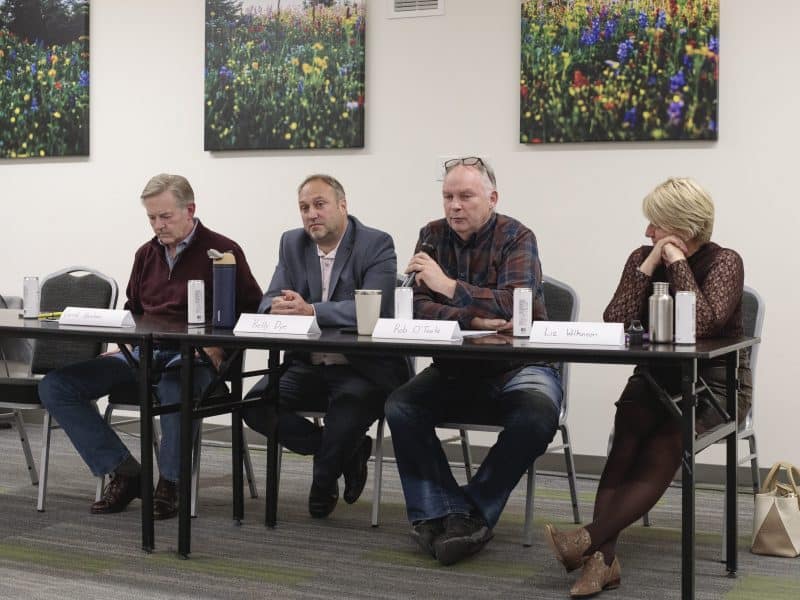
Healthcare, infrastructure and growth top Sun Peaks election forum
Five candidates responded to questions about the community’s financial pressures, future of the health centre and plans for continued growth at Oct. 1 all-candidates forum.

Sun Peaks mayor-elect Jason White eyes infrastructure, school and opportunities for youth as priorities
After more than 30 years of living and working in Sun Peaks, local business owner Jason White is preparing to lead the community through its next stage of growth.
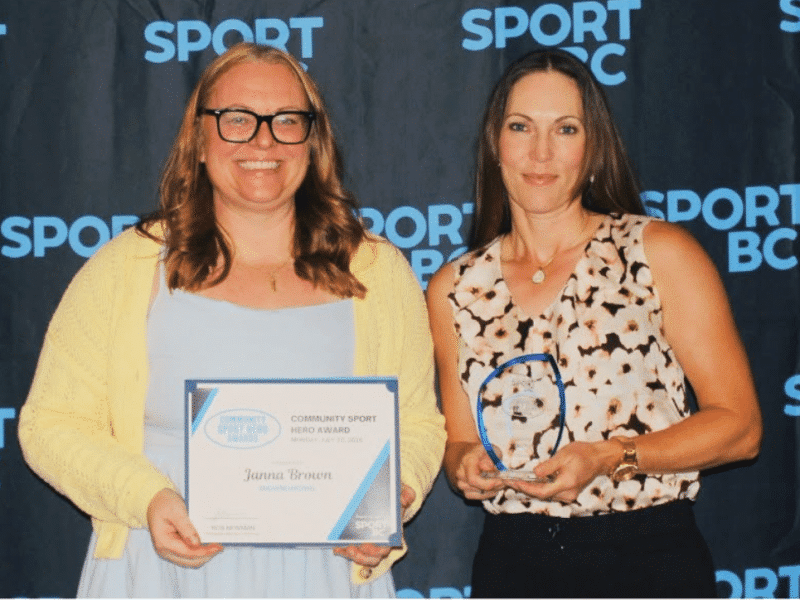
Janna Brown honoured as a Sport BC Community Sport Hero
After 8 years volunteering with the Sun Peaks Freestyle Club, Brown is recognized for her dedication to competitive snowboarding and the athletes in the Sun Peaks community.