
Sun Peaks mountain biking terrain guide: What to know and where to go
Hitting Sun Peaks mountain biking trails this summer? Here’s a few things to consider.
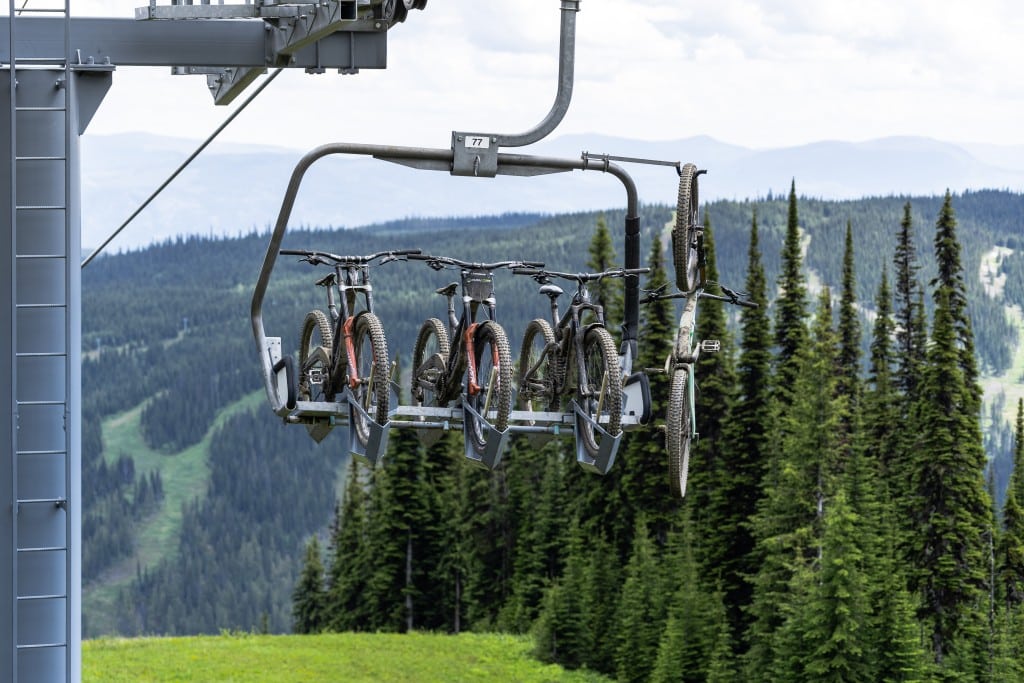
Sun Peaks offers over 89 kilometres of mountain biking terrain, with a number of novice trails well-suited to beginners and intermediate riders. For those new to the area or the sport, the Sun Peaks Sports School offers support, education and gear to get riders trail-ready. Here’s a bit of what to know and where to go:
Safety first
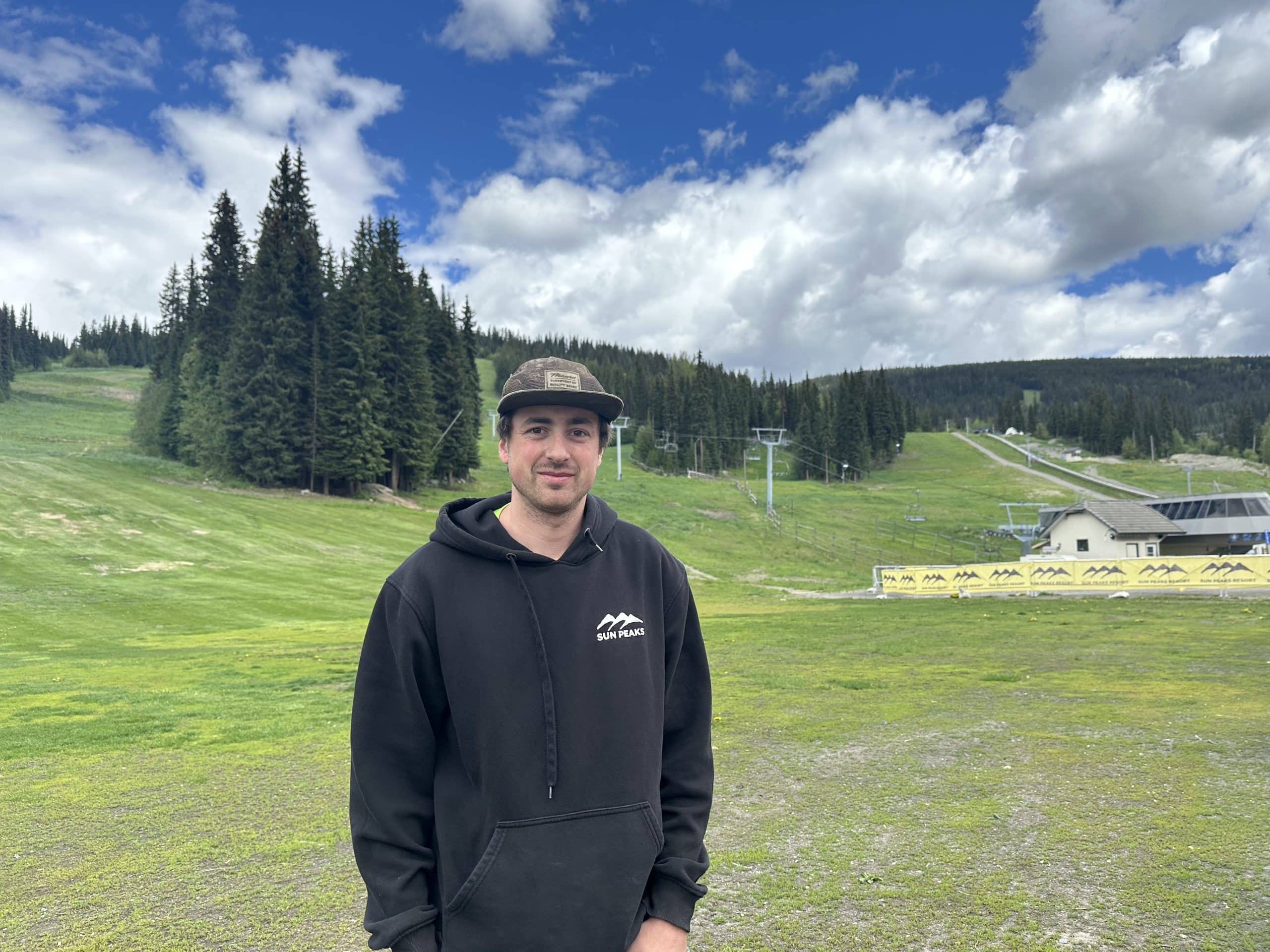
Before hitting the trails, safety is the “driving premise,” Ian Logan, sports school manager, said.
“Don’t fall off your bike,” he added. While this may seem like common sense, it really is the basis of safety instruction for mountain biking.
“The difference between skiing and mountain biking: you can take a fall skiing and have a little slide on the snow, and it’s kind of fun – you get back up. You fall off a mountain bike, and you’re going to get hurt, so it’s an instant buzz kill.”
To avoid that buzz kill, Logan advised riders to match their skill set to their terrain of choice and prepare accordingly.
For folks new to the trails, the Progression Park is an ideal place to begin. With a variety of beginner trails ranging from green to light blue, the park offers a few elements riders might find on the lift-accessable routes.
For novice riders, Pinball Wizard, Dungeon Crawl, Side Quest and Level Up are among the green trails Logan suggested.
As novice riders progress, light blue runs like Gravity Ghosts, Boss Battle, Warp Zone and Bonus Level help expose “terrain and gradients that a beginner-to-novice level rider will be exposed to on some of the the runs that come down from higher up on the two main chair lifts,” Logan added.
For those with experience, risk services and patrol manager Pip Albrow suggested mapping out a route and identifying key features.
For a flowy, free ride, he recommended Sundance over the Tod side of the park, which offers more technical roots and rocks.
Preparing for the ride
A helmet is mandatory in the bike park. Other recommended safety gear includes knee pads, chest and back protection, eye protection, elbow protection and biking shoes.
“You don’t want to be biking in the bike park in a set of running shoes or other types of shoes,” Logan advised. “There you really want to have a proper set of mountain bike shoes.”
Along with proper shoes and safety gear, “mountain biking works best on a downhill bike,” Albrow said.
Before riding, ensure your bike is the right fit, and has been checked out by a qualified bike mechanic. A thorough check should include a PSI and tire check, break and steering column check and pedal crank adjustment, Logan said.
Both Logan and Albrow recommend spending time with an instructor before exploring the bike park.
“In mountain biking, it’s very much a sport where I think if you feel confident about what you’re doing, you’re going to have a great time and enjoy it, and a lesson really sets you up for that,” Albrow said.
Lessons are taught by qualified instructors who teach skills, techniques and tips to keep you on the trails and on your pedals. Logan recommended new riders spend at least six hours with an instructor before exploring green and light blue terrain in the park.
“With a little time and some future pointers, you’ll become quite a skilled and repetitive mountain bike user,” he said.
One key tip Albrow said can go a long way is the warm-up lap: “whatever level you feel like you’re at, start at the easier end.”
For intermediate and even advanced riders who might be new to Sun Peaks, this will ensure there is a good understanding of the terrain, which might differ from other bike parks in the province.
What to expect on the trails
Each area will differ in terrain condition, based both on where one is riding as well as the weather. Those new to Sun Peaks will encounter different terrain from city or gravel biking down in Kamloops due to the elevation and weather.
“If you get a heavy rainfall, you might get rocks that move… you might find that kind of unusual, but rocks actually do move,” Logan said, “And the terrain can be changed by volume of riders, so being ready for a different riding surface is a large part of the learning process.”
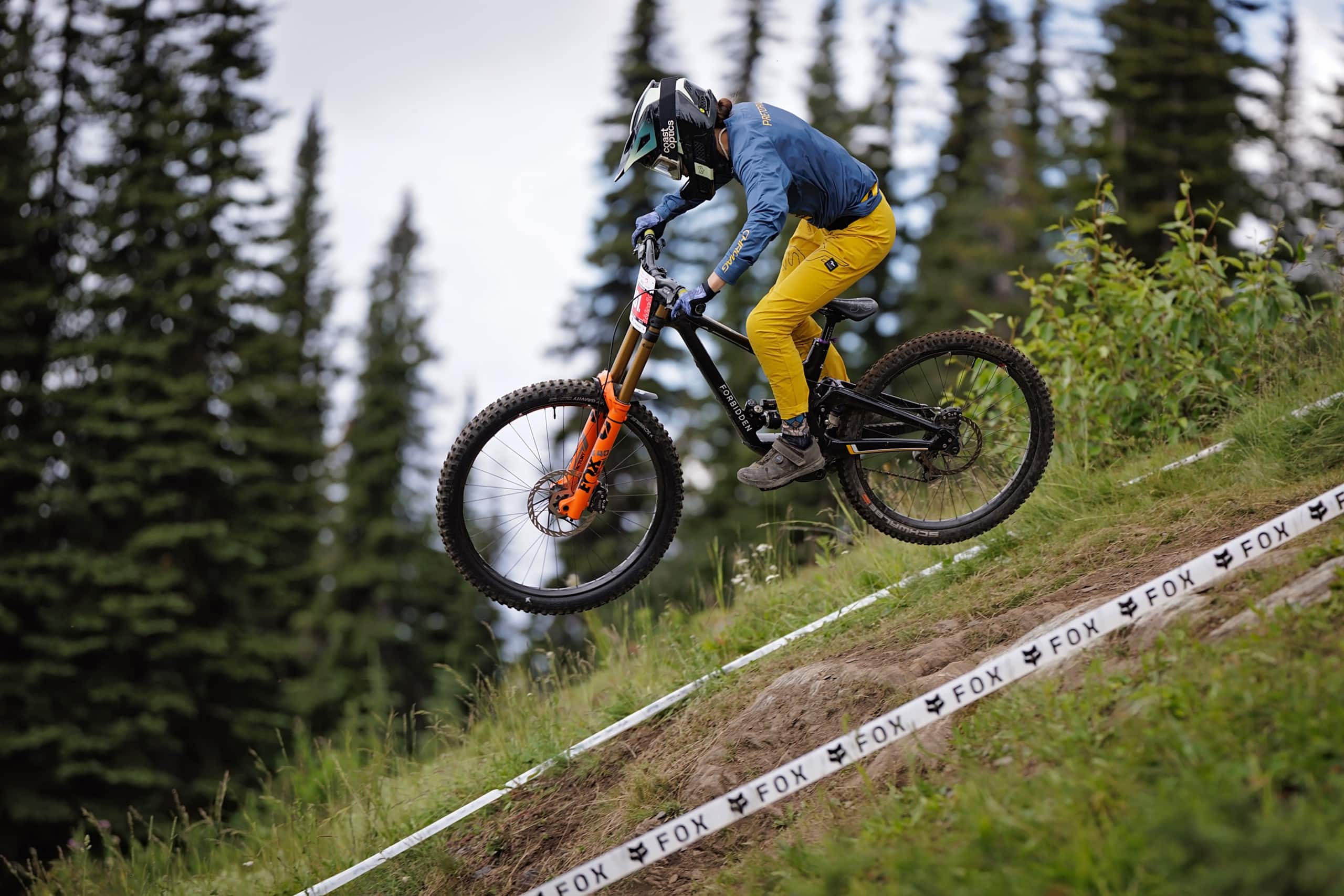
Riders new to mountain biking in general will encounter terrain that is not smooth, often with rocks, roots, vegetation and tight turns.
Learning to change direction and manage speed on a variety of surfaces is also key prior to hitting the trails.
In Progression Park, riders will find human-made features that mimic what they might encounter in the broader bike park, such as raised, banked corners called berms as well as rolling terrain and ride-over features like bridges, planks and arches.
While preparation is always key, not everything folks will encounter on the trails can be planned for. As with all recreation in Sun Peaks, be on the lookout for animals, keep weather in mind and stay on dedicated trails, whether in the bike park or riding on recreational trails.
At the end of the day, Albrow recommended avoiding the trap of “the one last lap.”
“Mountain biking is often quite hot and warm in the summer, it’s easy to get just a little bit dehydrated, and then people sometimes choose that last lap to be the one where they’re going to try that thing they’ve been eyeing up all day long and really push their limits, and that’s rarely the right time to really try to push and extend yourself.”
What did you think of this story?
Your feedback after we publish a story helps ensure we're always improving our reporting to better serve you.
Author

Related Articles
Sun Peaks adopts new emergency management bylaw
New bylaw formalizes Sun Peaks’ emergency management structure as the municipality works on an updated plan and hazard risk assessment.

Sun Peaks Community Health Association continues work to recruit health-care providers
The Sun Peaks Community Health Association is recruiting multidisciplinary providers and seeking funding, with hopes of reopening within two to three months, president says.
Candidates declared for 2026 Sun Peaks general election
There is one person running for mayor and five people running for council seats in the 2026 Sun Peaks general election.