
Conditions report: A mixed start to 2025
Adaptability is key in a season of variable conditions.
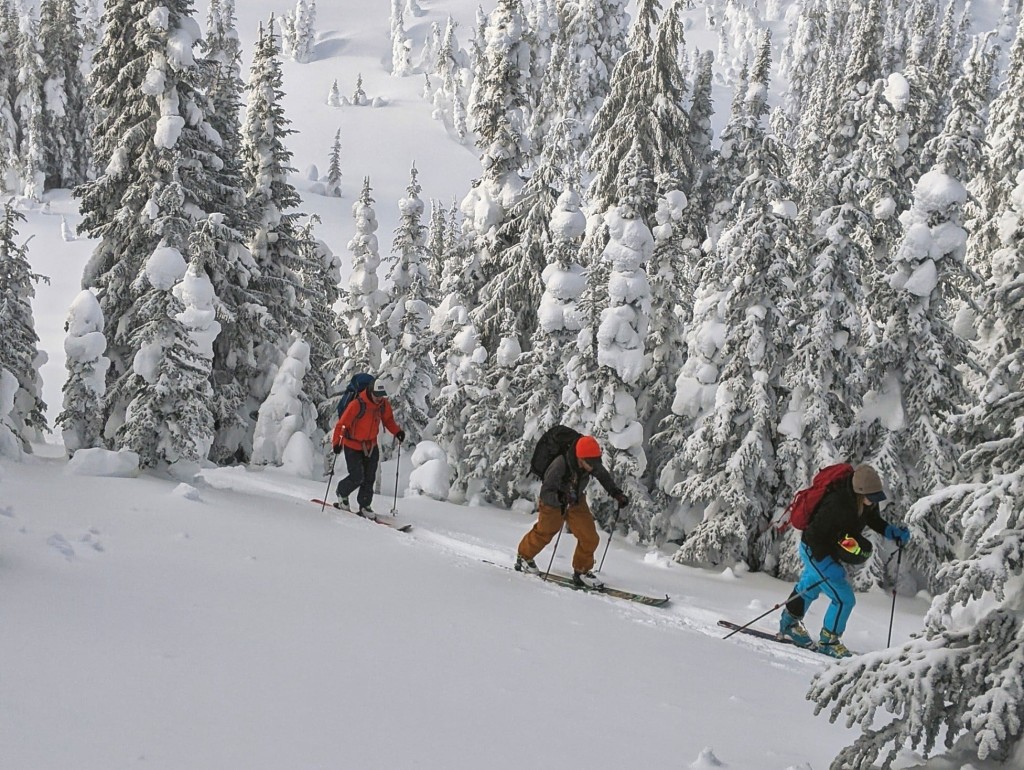
Always check the most recent forecast to ensure you have the most up-to-date and accurate information before heading out on the slopes.
The start of 2025 has been drier than usual in parts of British Columbia, with some areas experiencing early-season drought conditions. While lower elevations lack fresh snowfall, dedicated skiers and riders can still find quality turns in the backcountry. The key, as always, is knowing where to look.
Snowfall has been highly variable
This season has been defined by inconsistent snowfall across B.C. While some areas have struggled with minimal accumulation, others have been hit with heavy dumps. A prime example is Crescent Spur Heliskiing, which received an impressive 40-60 centimetres in 30 hours, while nearby Tête Jaune saw only two centimetres in the same period. These drastic differences highlight the unpredictable nature of this year’s snowfall patterns.
Despite the lack of major storms, Sun Peaks Resort has done an excellent job maintaining skiable terrain. Grooming teams have been hard at work, ensuring the resort remains in top shape for visitors. While fresh powder may be limited, the well-maintained runs continue to offer enjoyable skiing.
Backcountry conditions: What to watch For
For those venturing into the backcountry, there are both opportunities and hazards to keep in mind. Snow coverage varies significantly by region, and the snowpack is far from uniform. In the B.C. Interior, the snowpack tends to taper sharply as you descend into or below the treeline, making route selection crucial. The Purcell Mountains have remained relatively thin, while conditions in the Rockies are even more sparse, making glacier travel especially challenging. Skiers and riders should approach these areas with caution and be prepared for tricky navigation over exposed terrain.
Another important factor this season is a persistent layer of buried surface hoar, which has been reactive in some areas but not in others. Regions like Rogers Pass have seen increased activity, mainly where wind slabs have formed. Travellers in avalanche terrain should carefully assess slope stability and check regional forecasts before heading out.
Navigating the season ahead
With such varied conditions, adaptability is key. If planning a backcountry trip, pay close attention to recent weather patterns and local snow reports. Avalanche forecasts remain critical, particularly with a spotty but potentially dangerous weak layer in play.
As we move further into the season, keep an eye on shifting snow conditions and be prepared for a mix of deep snow in some places and firm or shallow coverage in others. Whether inbounds or out in the backcountry, staying informed will help ensure safe and rewarding turns. Here’s to making the most of B.C.’s unpredictable winter!
What did you think of this story?
Your feedback after we publish a story helps ensure we're always improving our reporting to better serve you.
Related Articles

Sun Peaks mayor-elect Jason White eyes infrastructure, school and opportunities for youth as priorities
After more than 30 years of living and working in Sun Peaks, local business owner Jason White is preparing to lead the community through its next stage of growth.
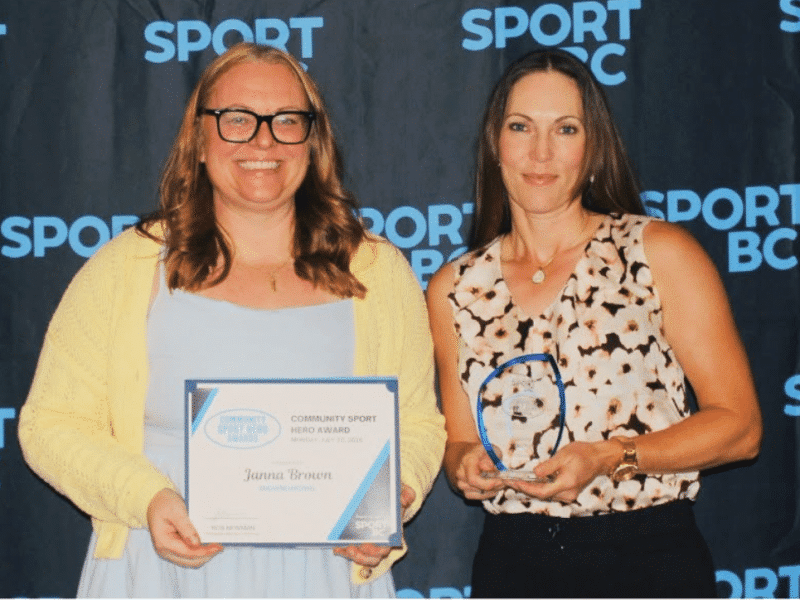
Janna Brown honoured as a Sport BC Community Sport Hero
After 8 years volunteering with the Sun Peaks Freestyle Club, Brown is recognized for her dedication to competitive snowboarding and the athletes in the Sun Peaks community.
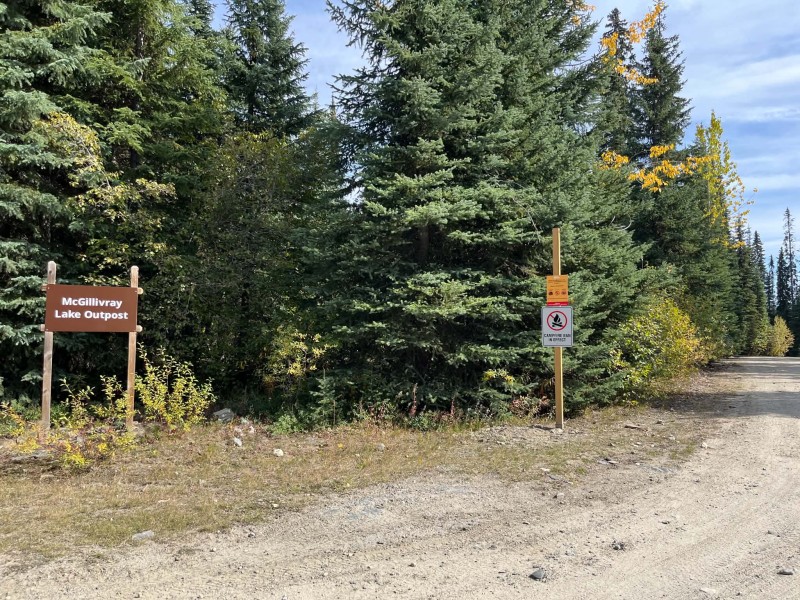
New sign clarifies camping rules at McGillivray Lake Outpost site
Overnight camping has never been permitted at the site, but the rule had not previously been promoted or enforced.