
Conditions report: A winter of major weather swings
What you need to know to shred safely.
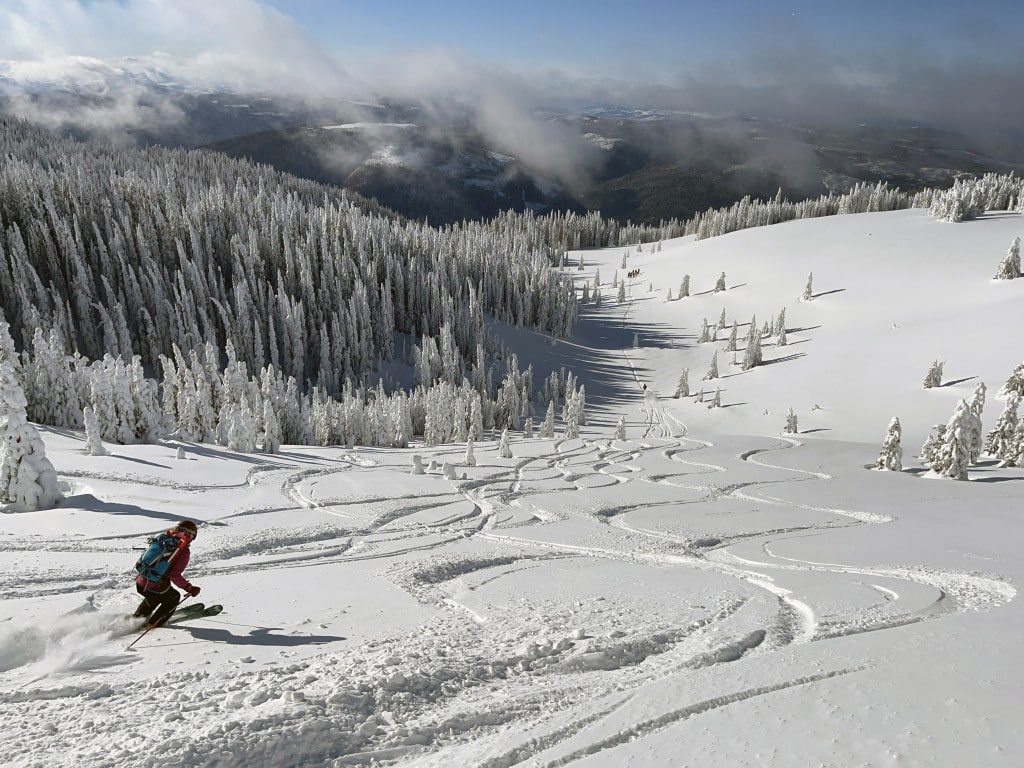
Always check the most recent forecast to ensure you have the most up-to-date and accurate information before heading out on the slopes.
Navigating the snowpack this winter has been a rollercoaster ride of extremes. We find ourselves with a well-below-average snowpack for this time of year, with a complex puzzle of buried weak layers that have demanded our attention for a long time. Our recent encounter with an abnormal mid-winter warm spell resulted in conditions going from bad to worse. It presented a drastic change with rapid loading and warming to the snowpack, which produced a widespread natural avalanche cycle on all aspects and elevations across most of the province. As temperatures drop again, the soon-to-be-buried crust may become a persistent weak layer, requiring ongoing vigilance.
The silver lining is that once the temperatures return to normal, we may no longer have to worry about our previous persistent layers. The rain will likely have saturated the snowpack, and it will re-freeze, locking up those persistent weak layers.
As we move forward, it’s crucial to recognize the evolving nature of our snowpack. The layers beneath our skis and boards are a dynamic landscape influenced by temperature fluctuations, snowfall patterns and wind speeds. While we may not have the deepest snow cover at the moment, the quality and stability of what we have require careful consideration.
If you aren’t jazzed with the current riding conditions, this is a good time to take out your winter equipment and give it a once-over; double-check that your transceiver is functioning properly and everything else in your pack is good to go. Industry professionals continually work on their companion rescue skills and run scenarios frequently. Get outside and practice with your friends and touring partners to ensure everyone’s gear is in good shape. Is your tape, glue, spare batteries and other gear in your pack all up-to-date? When was the last time you re-glued your skin? Waxed your board or skis?
This is a great time to run companion rescue drills with your riding partners. Test them, throw down some lunch money. The more prepared your friends or riding partners are, the more confident you can be in their ability to be ready to deal with any type of mishap, minor or major.
We have many resources that can be helpful in your backcountry trip planning. Avalanche Canada is a resource with many tools for winter backcountry riders to utilize. Some of my favourites are the learn tab, the trip planner and the Mountain Information Network (MIN) tool.
In the spirit of safety, stay informed, communicate effectively and adapt plans accordingly. Winter’s challenges are part of the adventure, and with a thoughtful approach, we can continue to enjoy the wonders of the mountain while managing risks. Here’s to making smart decisions, respecting the mountain environment and ensuring a safe, memorable and enjoyable remainder of our winter season. Please remember to recreate responsibly.
What did you think of this story?
Your feedback after we publish a story helps ensure we're always improving our reporting to better serve you.
Related Articles
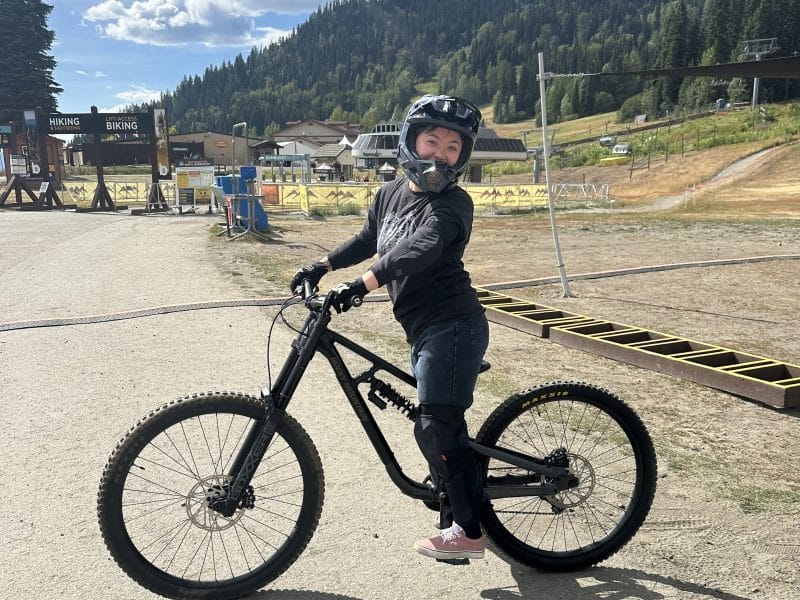
Sun Peaks Resort offers beginners a chance to learn the ropes with Never Ever Days
The resort’s beginner-focused lessons introduce newcomers to mountain biking, skiing and snowboarding with help from trained coaches.
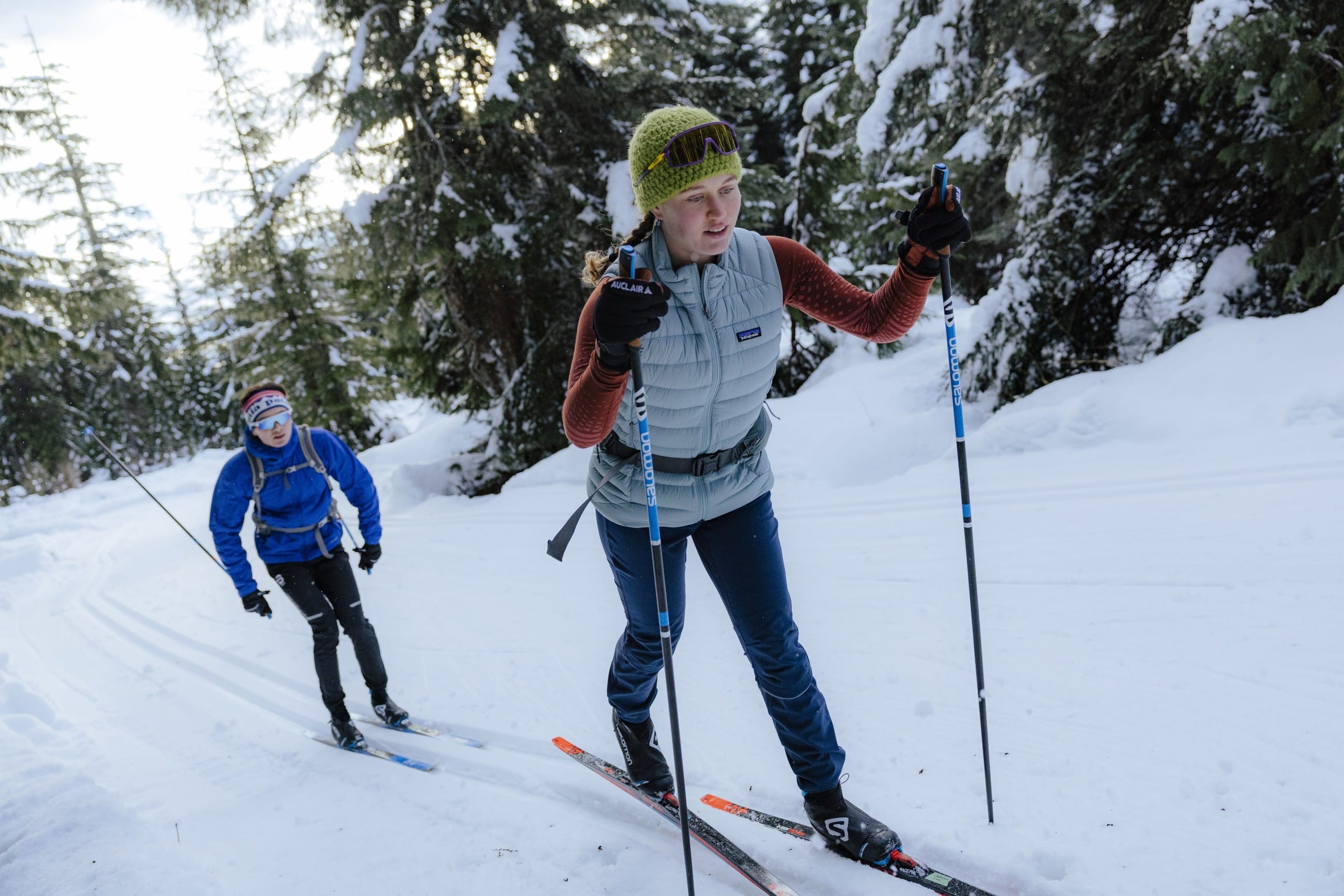
Crossing over to cross-country: How Nordic skiing is helping those over 50 stay on skis
The low-impact sport is seeing a rise in participation, particularly with folks over 50, local instructor says.
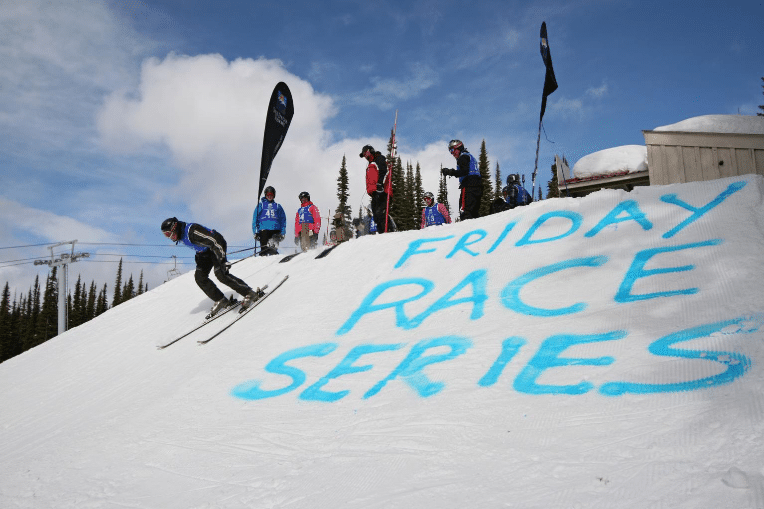
The Friday Race Series returns Feb. 6
The long-awaited return of the recreational Friday Race Series, cancelled since 2020, will delight downhillers of all ages, restoring an important social and cultural tradition to Sun Peaks Resort.