
Shoulder 2 Shoulder program at Sun Peaks helps PTSD survivors
‘The instructors at Adaptive Sports Sun Peaks are worth their weight in gold. They’re tolerant, patient, thoughtful, passionate, caring, and have a lot of humour,’ explained a veteran who participated in the program.
Adaptive Sports Sun Peaks (ASSP) is expanding its service to include accessible programming for people with post-traumatic stress disorder (PTSD).
The move comes after ASSP hosted an inaugural Shoulder 2 Shoulder Veterans and First Responders retreat from Jan. 8 to 12 in Sun Peaks. The village welcomed two veterans and three police officers alongside their caregivers for a week of camaraderie, activities and healing in picturesque Sun Peaks.
Shoulder 2 Shoulder is a program presented by BC Adaptive Snowsports (BCAS) that invites first responders to retreats at participating ski resorts. This year, programs are also scheduled at Vancouver-area resorts from March 7 to 11 and at Mount Sima, Whitehorse from March 11 to 15.
The Canadian Mental Health Association defines PTSD as a mental illness which “involves exposure to trauma involving death or the threat of death, serious injury, or sexual violence.” Symptoms include re-experiencing the event through flashbacks or nightmares, among others.
ASSP board member Jenny Hawes said bringing the program to Sun Peaks was personal and part of ASSP’s goal to expand services.
Hawes served in Bosnia with the Canadian Armed Forces (CAF) from 2000 to 2001, and her husband has PTSD, which led to a desire to create programming specifically for veterans and first responders.
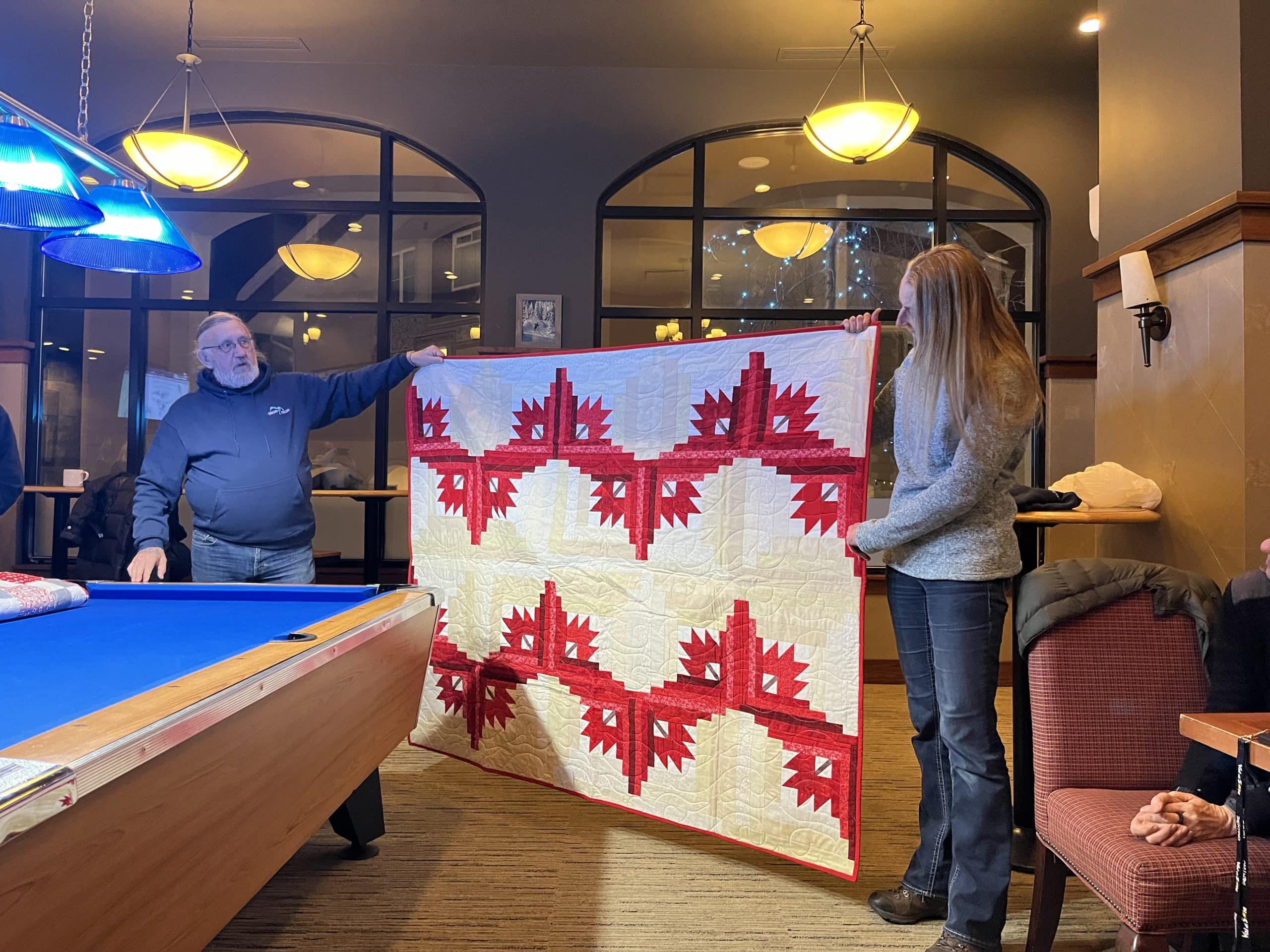
During the retreat, an attendee and veteran, George Dersh, gifted Quilts of Valour to two of the organizers, Hawes and James Cooney from BCAS.
The quilts are handmade by volunteers to show gratitude for the service of CAF members, past or present. The program started in Edmonton in 2006 when Lezley Zwaal first presented three of her quilts to CAF members injured in Afghanistan.
Filing service gaps
ASSP also sees a gap that needs to be filled in its services. Of ASSP’s clientele, 68 per cent have autism spectrum disorder.
“We have plans now every year to expand to one new type of group to draw those clients, and our hope is when you start diversifying, we’re also bringing in new instructors,” Hawes said.
The program comes at no cost to participants thanks to BCAS fundraising.
The Kamloops Legion donated $5,000 for the event, which is the cost for one participant and their supporter to cover travel, food, and activities on and off the snow.
Events included art therapy, led by ASSP vice president Dr. Nan Stephens, axe throwing at Cleveage Axe Co., dogsledding, skiing and gathering for meals at restaurants.
Katherine Campbell, executive director for ASSP, said the program will return next year.
“We’re already really percolating with our ideas to help grow it and expand it, and everyone was super excited about this being the first of many,” Campbell said.
‘It was absolutely fantastic’
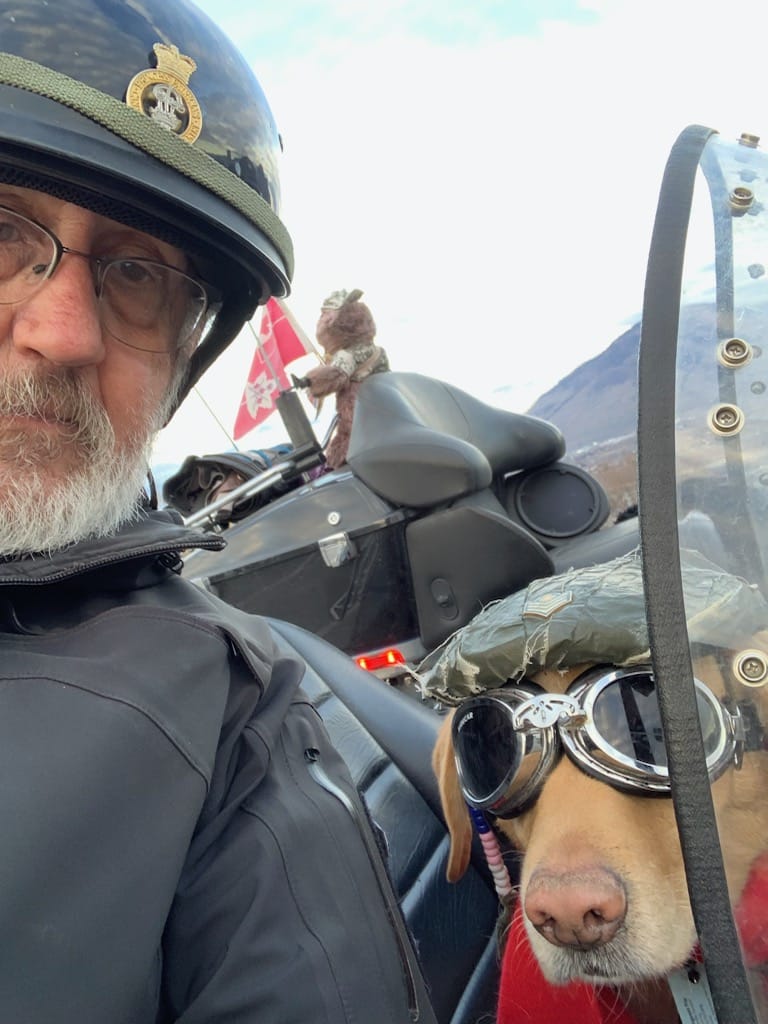
A veteran from Kamloops, Dersch attended the program.
Dersch served for 32 years in the CAF, doing two tours in Europe and three in Cyprus. He explained one of his tours was during the Turkish invasion of Cyprus in 1974.
“I acquired a great amount of my PTSD from that conflict,” he said.
Despite the personal sacrifice, he said he “would do it all again in a heartbeat if I had the opportunity.”
Dersch retired to Kamloops after his service, and he skied and worked in Sun Peaks in the 1990s. Returning to the sport benefited his mental health.
“It brought back a skill that I did at one time have and needed to get back for my mental health, if for no other reason than that. It was absolutely fantastic,” Dersch said.
His wife learned to ski during the trip as well, which Dersch said is a testament to the coaching skills of ASSP.
“The instructors at Adaptive Sports Sun Peaks are worth their weight in gold. They’re tolerant, patient, thoughtful, passionate, caring, and have a lot of humour,” he explained.
Dersch said the program helped build his confidence.
“It reassured me that just because I have PTSD or bad knees, bad legs, sore back – you’re limited with what you can do — that you could still get up and do it. Maybe not to the level you used to do it before, but … you can still enjoy yourself.”
Dersch is a member of the Kamloops Legion, and said it’s a space for veterans and non-veterans to gather and relax with like-minded people. The Legion holds gatherings on Thursday evenings around 5 p.m. for conversation, food and beverages.
What did you think of this story?
Your feedback after we publish a story helps ensure we're always improving our reporting to better serve you.
Author

Related Articles
2026 general election results announced for Sun Peaks
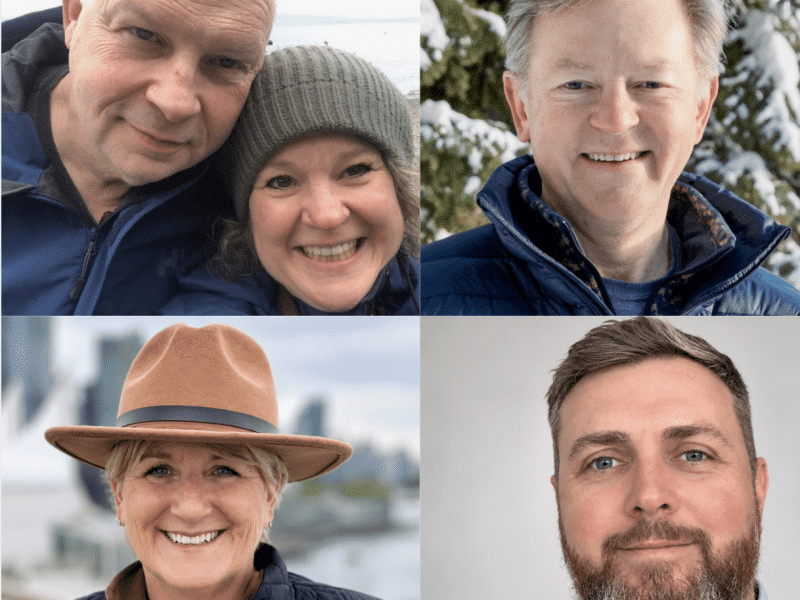
Former mayor Rob O’Toole and incumbent councillor Brian Gillespie will join newcomers David Burnham and Elizabeth Wilkinson on council.
MLA candidates for the 2026 provincial election respond to reader questions
Here’s how MLA candidates answered questions on healthcare, infrastructure, investment and the foreign buyers ban.
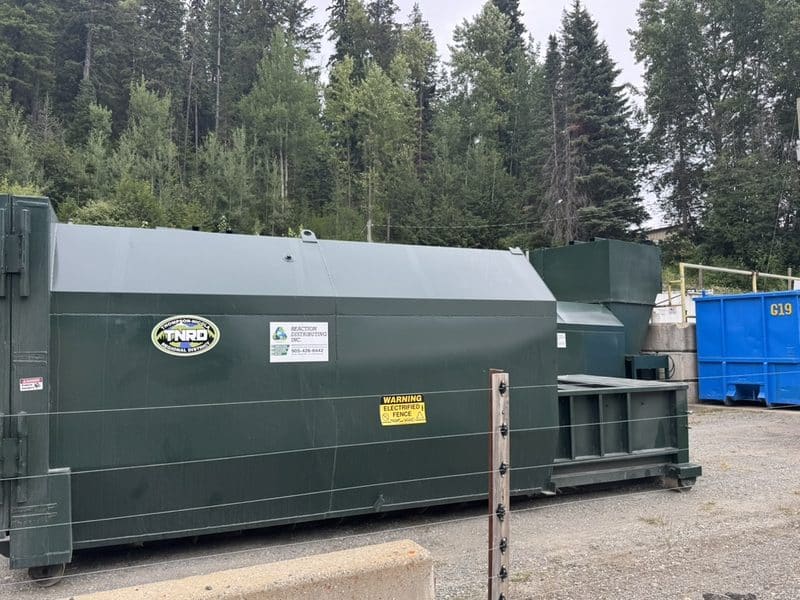
Thompson-Nicola Regional District approves 6-month delay to Sun Peaks Transfer Station changes
Changes to the Sun Peaks Transfer Station have been moved from this December to June 2027.