
As the first stop for the Shoulder 2 Shoulder Retreat, Adaptive Sports at Sun Peaks (ASSP) is leading a four-day retreat with ski and snowboard lessons and more activities for ill or injured veterans and RCMP to heal with their support person.
Although the concept began four years ago, the Shoulder 2 Shoulder retreat’s name and structure developed last year.
There are two founders of the Shoulder 2 Shoulder Retreat, both veterans themselves.
In 2015, veteran James Cooney participated in the Soldier On program, which helps ill and injured veterans heal through sports.
“I attended a one week camp, and it basically reignited the passion,” he said. “I came back into the skiing industry because of that.”

This was following a dark time of life for him, dealing with PTSD and physical injuries, making it difficult to hold jobs.
He now works for Mt. Washington Resort Snow School part time and is a training coordinator for Vancouver Island Society for Adaptive Snowsports (VISAS).
Based on his own experience with snow therapy during Soldier On, which he said saved his life, he helped found the retreat program that would become Shoulder 2 Shoulder with BC Adaptive Snowsports (BCAS).
During the first run of the program, 22 participants showed up with their spouses. In 2023, the program was given the name Moving Forward Together and it developed from there.
Each retreat is now open to five veterans or ill and injured RCMP and their caretakers, often spouses, bringing this year’s number of participants across all areas up to 50.
For the first time last year, Shoulder 2 Shoulder was brought to three ski resorts including Sun Peaks.
“They went amazing,” Cooney said. “Hence why now we’re running five camps.”
This year’s stops will be Mt. Washington, Sun Peaks, Mt. Sima, Silver Star and Panorama, led by different volunteer veterans and instructors at each.
About the retreat
With funding from private donors and legions across B.C., BCAS is able to grant each participant a retreat without cost.
A potential benefit of the retreat, Cooney said it can ignite or reignite a passion for snowsports.
“Just this year, I certified one person as an instructor at Mount Washington that was in our program last year,” he said.
During winter, as the coldest and darkest time of year, Cooney proposes people are at their most depressed.
“We want to create a purpose of going outside in the winter time,” he said, highlighting the importance of sunshine and outdoor activity for mental health improvement.
“It’s mentally healthy for all of us to participate in physical activity,” Katherine Campbell, executive director for ASSP said as well.
As the program is open to a support person or caregiver as well, that person is able to experience something new and fun with their partner, family member or friend.
“Maybe it’s an activity that the two of them can do together moving forward,” Campbell added.
Organized by veterans, the Shoulder 2 Shoulder Retreat’s inclusion of the support person is based on personal observation of the everyday challenges these people face when their spouse, family member or friend is away for training or deployment.
Early in the program, Cooney said providing both parties with this experience was met with nothing but praise.
Shoulder 2 shoulder retreat, Sun Peaks
After a successful inaugural year, the Shoulder 2 Shoulder retreat run by ASSP in partnership with BCAS returned to Sun Peaks.
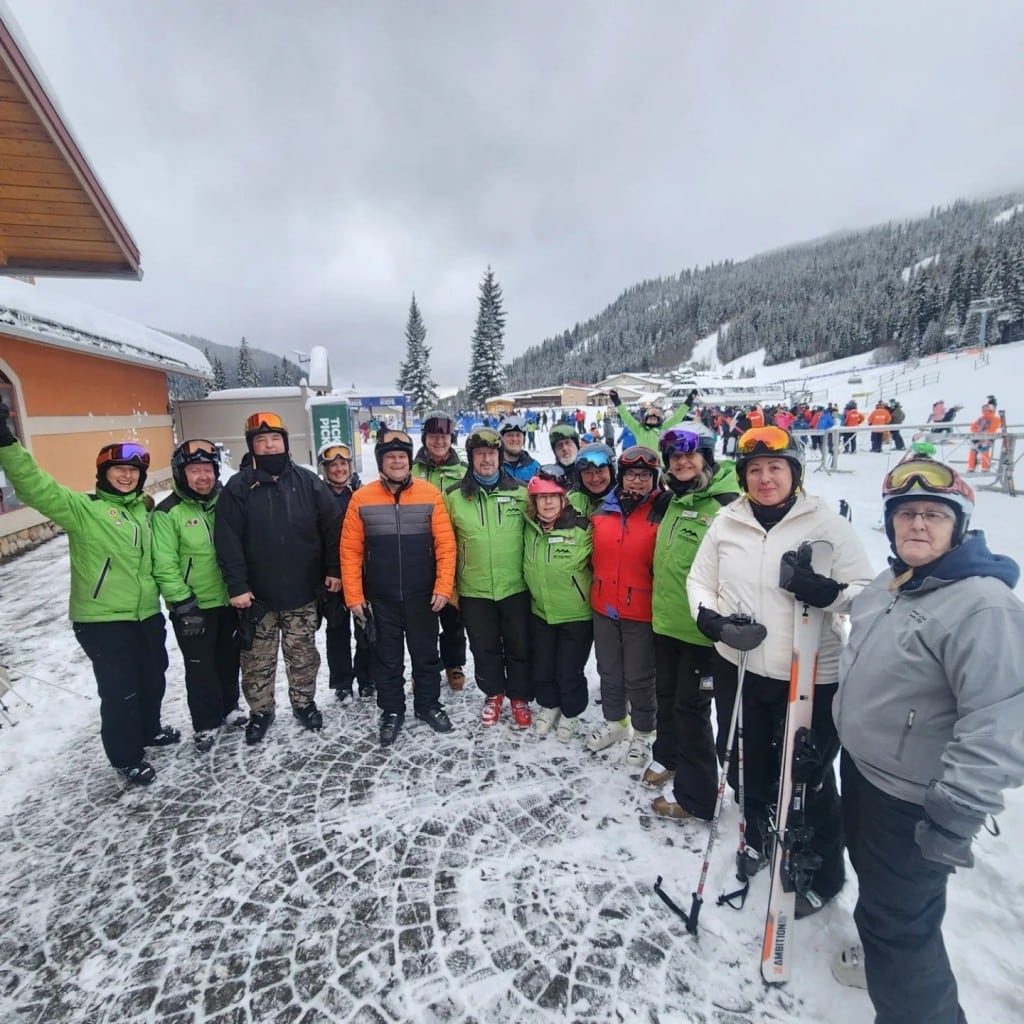
On Sunday, Jan. 5, participants arrived in the village, spending the rest of the week taking part in snow lessons.
About 15 instructors from ASSP volunteered to help out this year, Campbell said, with many returning from last year.
The retreat includes a meet-and-greet to acquaint the participants, ski and snowboard lessons accommodating each participant’s skill levels, an art therapy workshop led by ASSP vice president Dr. Nan Stephens and a wrap-up dinner at Morrisey’s Public House to cap off the week.
Some people on the ASSP team are veterans themselves.
“Being in the military is a life changing thing, and it’s very different from our civilian day-to-day life,” Campbell said. “And so that’s why programs like this are so important.”
ASSP’s instructors go through CADS training which looks at different disabilities including cognitive and visual impairments and physical injuries.
“Our instructors are trained to just be adaptive,” she explained, adding they can work with people suffering from PTSD with an ask, observe and teach approach during every lesson to identify potential triggers.
Last year, Campbell shared that an RCMP officer who had been on stress leave from work went through a life changing experience while attending the retreat and reaching the Top of the World off the Crystal Chairlift.
“He got off, and he just kept saying, ‘I can breathe. I can finally breathe. I can breathe.’”
What did you think of this story?
Sun Peaks Independent News is your essential source for community news in Sun Peaks. Your feedback after we publish a story helps ensure we're always improving our reporting to better serve you.