
Sun Peaks steps up wildfire preparedness as summer begins
Wildfire fuel-reduction work on Morrisey is nearing completion, while Sun Peaks Fire and Rescue urges residents to FireSmart properties, monitor restrictions and prepare for emergencies.
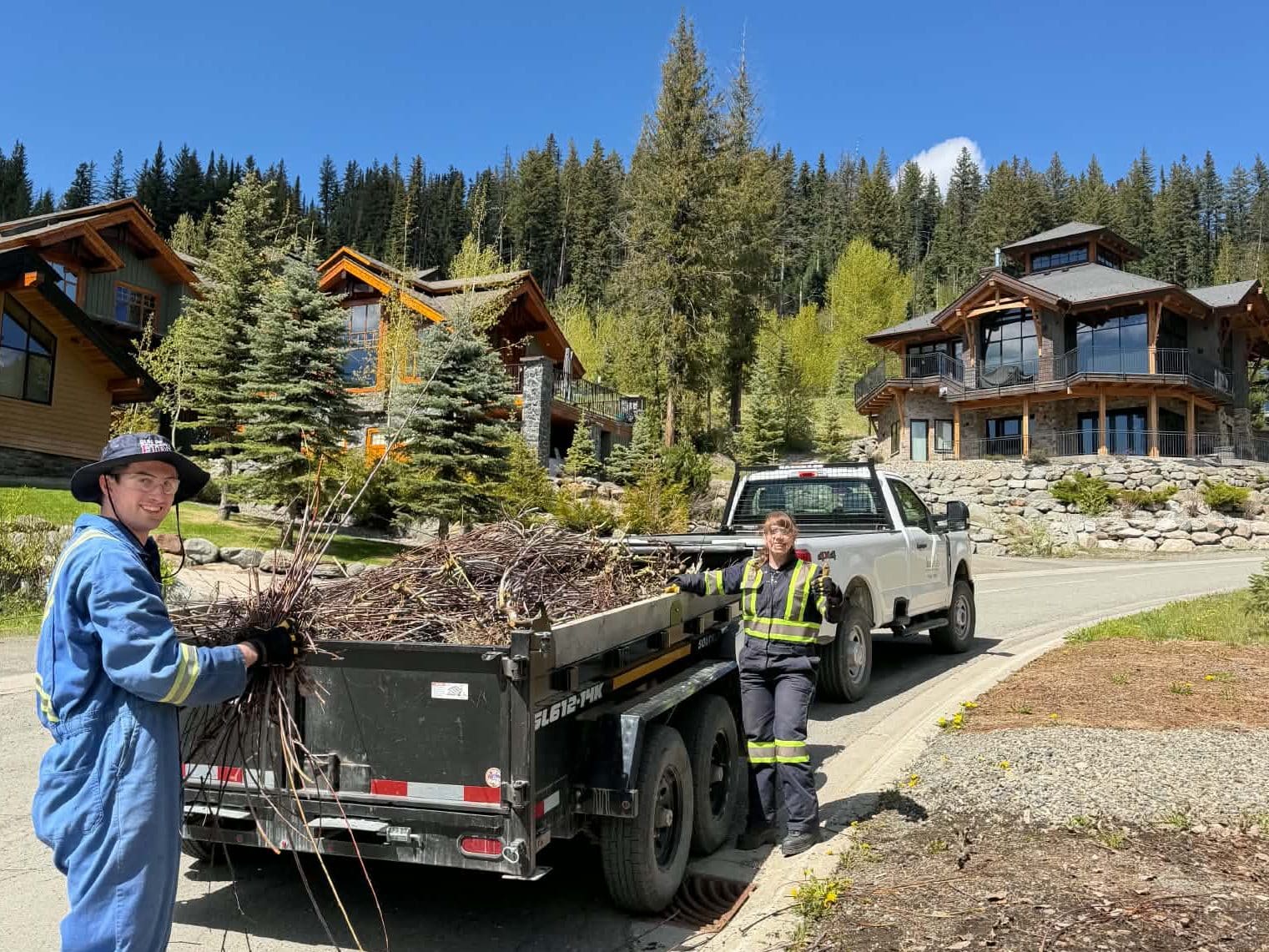
With this summer anticipated to bring an increased wildfire risk due to a variable winter and spring, Sun Peaks Fire and Rescue is working to manage wildfire fuel, increase awareness and prepare for emergencies.
A category one campfire ban takes effect on Friday, July 10, and residents are encouraged to review their emergency plans, sign up for Voyant! Alert and take FireSmart precautions.
The department is currently focusing wildfire fuel treatment on the Morrisey area, which has seen little treatment over the past few years. This work has been ongoing and will wrap up in a few weeks, according to fire prevention officer Captain James Griffiths.
The work involves reducing the risk of a fire moving into the canopy by removing ladder fuels, which allow the fire to spread to the canopy. The areas have had the lower branches pruned on the trees and smaller materials removed, with some tree spacing.
“If a wildfire does come into the area, it’s much easier to control a ground fire than it is a fire once it’s into the canopy,” Griffiths explained.
Prescribed burns are planned for the end of fall, with none slated to happen this summer.
Fire restrictions and reporting
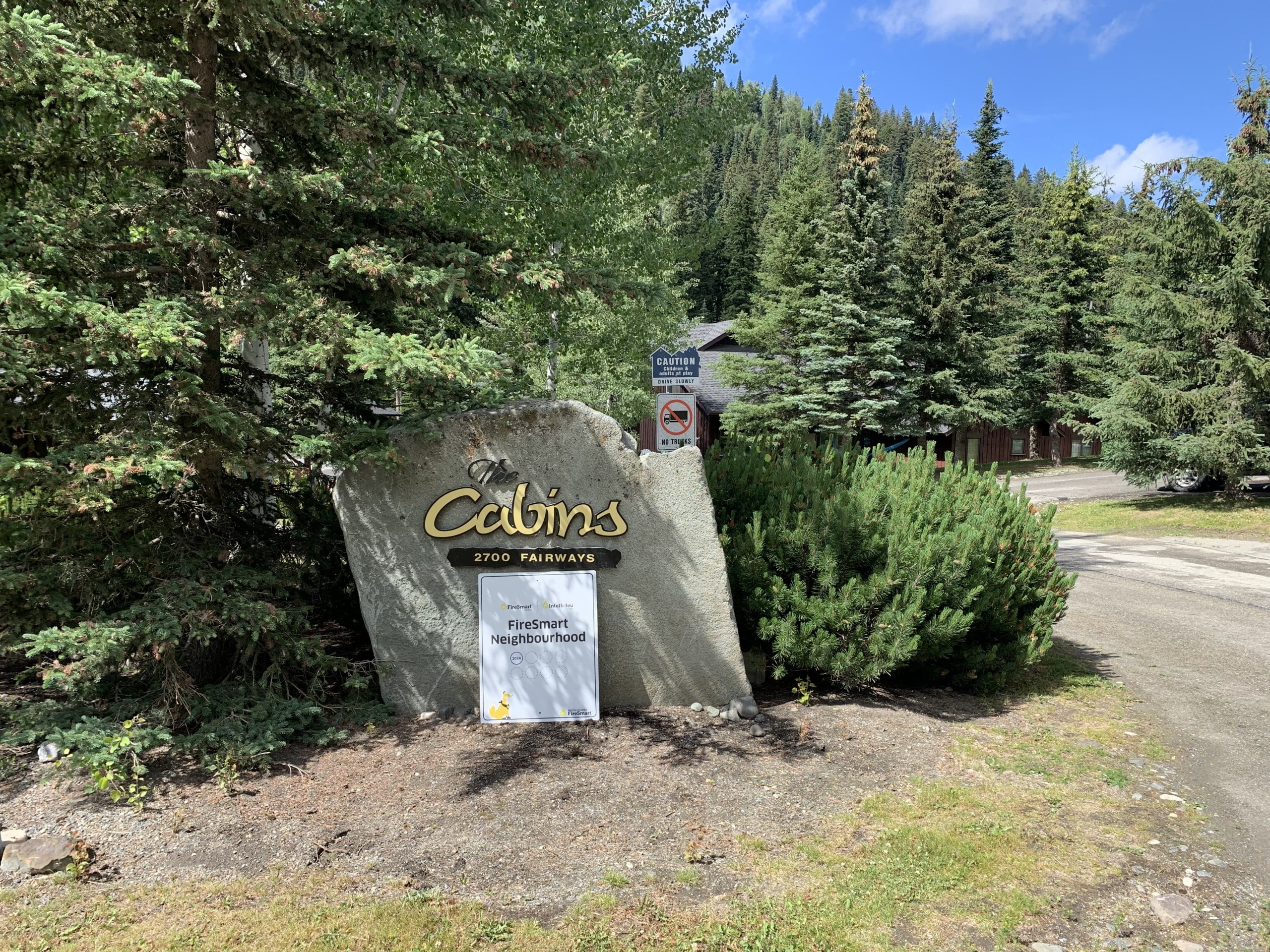
Griffiths is encouraging homeowners, renters and businesses to follow the FireSmart guidelines to help reduce risk around their properties.
“The main thing is home maintenance throughout the year, so checking gutters are clear, checking that basically everything with the house is in good condition,” Griffiths said.
FireSmart BC separates the home ignition zone into three areas: the immediate zone, the intermediate zone and the extended zone. The immediate zone starts at the house and perimeters around the building within 1.5 metres.
“That’s pretty much the most important,” Griffiths explained. This is the area where ladder fuels can allow a fire to spread through the home.
It is important to ensure that there are no combustibles stored in the immediate zone and reduce fuel “ as you work away from the property,” Griffiths said.
The BC Wildfire app is free to download and a good place for residents to see the fire restrictions in the area. The app is also a good place to report smoke or fires. When reporting smoke or fire, folks can call *5555 which will direct them to the BC WildFire reporting line, or if the fire is within the municipal boundary, folks call dial 911 and ask for fire.
Emergency preparedness
The department encourages residents to sign up for Voyant Alert!, a free multi-purpose communication tool that allows for quick alerts sent right to your cell phone, email or landline.
Folks are also encouraged to monitor official channels in the case of a wildfire nearby and to follow any advice given.
Residents are urged to have a grab-and-go bag ready for emergency in the case of an evacuation. These bags include non-perishable food, water, phone charger, radio, flashlight, batteries, first aid kit with medications, personal toiletries, copy of an emergency plan, important documents, cash, garbage bags, moist towelettes, seasonal clothing, emergency blanket, dust masks, whistle and help sign.
Flames are not the only risk associated with wildfires, and poor air quality can impact mental and physical health.
Michael Mehta, a retired geography and environmental studies professor at Thompson Rivers University, recommended investing in or making a HEPA filter.
“There are plenty of instructional videos on youtube that explain how to build a DIY air filter,” Mehta said.
Dr. Brandon Yau, public health physician and medical health officer for Interior Health, also suggested a HEPA filter, but recognizes these may not be available to all. In those cases, he recommends residents seek out informal clean-air spaces when possible.
“These can include spaces like community centres, libraries, shopping malls and movie theatres if folks don’t have access to at-home air filters,” Yau said.
What did you think of this story?
Your feedback after we publish a story helps ensure we're always improving our reporting to better serve you.
Author

Related Articles

Sun Peaks mayor-elect Jason White eyes infrastructure, school and opportunities for youth as priorities
After more than 30 years of living and working in Sun Peaks, local business owner Jason White is preparing to lead the community through its next stage of growth.
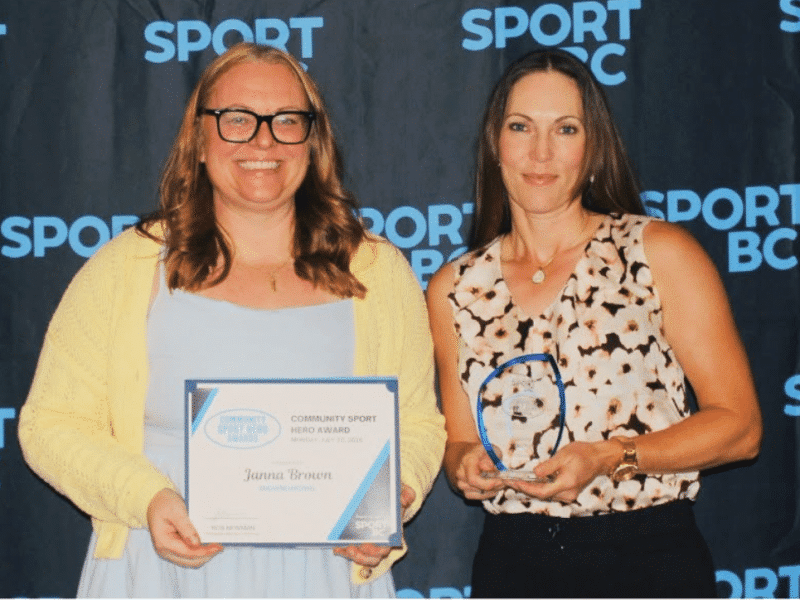
Janna Brown honoured as a Sport BC Community Sport Hero
After 8 years volunteering with the Sun Peaks Freestyle Club, Brown is recognized for her dedication to competitive snowboarding and the athletes in the Sun Peaks community.
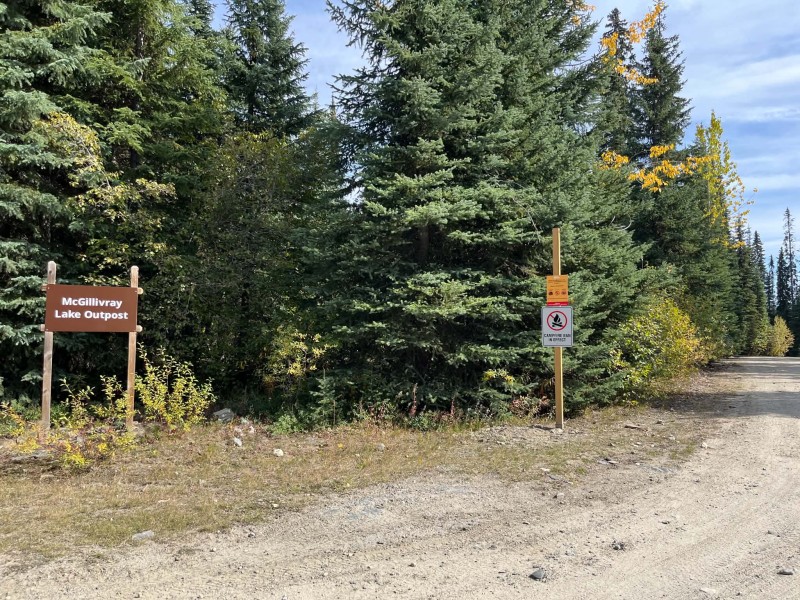
New sign clarifies camping rules at McGillivray Lake Outpost site
Overnight camping has never been permitted at the site, but the rule had not previously been promoted or enforced.