
Al Raine and Nancy Greene Raine announce mayor’s Bulbar ALS diagnosis
The couple feel grateful for the ‘wonderful time’ they had together.

Al Raine, the mayor of Sun Peaks, was diagnosed with a rare and fatal disease at age 82: a form of Amyotrophic Lateral Sclerosis (ALS) called Bulbar ALS.
ALS varies from person to person depending on different variables such as where it begins to affect the body. The bulbar region of the brain is responsible for face and neck muscle control, which controls processes such as swallowing and speech.
Due to his speech impairment from the illness, Al shared more about his condition and plans over email.
A relatively rare form, Al said Bulbar ALS only affects about 25 per cent of ALS patients.
“It starts in the throat, neck and head and it spreads from there as opposed to starting in the extremities,” Al said. “It will impact my speech, eating and eventually breathing.”
Al will eventually be stepping down as mayor and looking past that, his wife Nancy Greene Raine shared that they have comfort in the fact that Canada offers medical assistance in dying.
“The end can be horrible with ALS,” she said. “But it doesn’t have to be now.”
Onset and progression
The Bulbar ALS was confirmed after seeing a neurologist mid-March, Nancy said, after Al’s voice began to weaken almost 10 months ago.
“I had difficulty finding a neurologist as there is a shortage in Kamloops, so that took almost five months,” Al explained. He was connected to one in Vancouver through a shared contact in Victoria.
Once the diagnosis was given, “it hit us pretty hard,” Nancy said.
“Obviously it is a big shock when a doctor tells you that you have ALS and there is no cure, your muscles will begin to deteriorate and death is the final outcome,” Al said. However, knowing he was aging before the diagnosis, he had already told his children and some friends to smile and be happy should anything happen to him.
“Once diagnosed, there has been help everywhere,” he said. “I still have some follow-up appointments with the ALS specialist in Vancouver where I hope to learn more about the progression.”
While he is having some difficulty with speech and swallowing, Al said his sleeping, breathing and leg and arm coordination are still good.
Al expressed his gratitude to the Sun Peaks community for respecting his request for normal day-to-day discussions, something he mentioned in his initial health update announcement on the Sun Peaks Mountain Resort Municipality Website. In this announcement he shared one of the symptoms of Bulbar ALS, emotional lability, which affects the ability to control one’s emotions. For Al, a trigger for this is seeing sympathetic gestures and expressions.
“I still have difficulty telling friends and family that I have been diagnosed with ALS,” he said. “I have asked folks to smile when they see and please no emotional sympathy talk, let’s chat about Sun Peaks, the weather, tennis, golf or the Canucks.”
“We don’t want to have to close off from the community,” Nancy said. “So it’s important that there’s no long faces and we just carry on as best we can.”
According to her, the Raine’s will also be looking into communication devices as his voice deteriorates.
“We don’t know how much more time he has.” Nancy said. “And I feel very fortunate that we have this time.”
What does this mean for the community?
Al has acted as mayor since the resort became a municipality in 2010. The next steps for the municipality are tentative, based on the unpredictability of progression with Bulbar ALS and for now, Al will continue to attend meetings.
“I will hang in there as long as I can communicate and work with staff and council to make sure that we have a smooth transition,” he said.
Councillor Julie Kimmel will be running meetings in his place as acting mayor for this period until June 30, and Al said if he can no longer attend and contribute he will step aside and there will be a by-election. There’s no official status on when this will occur.
Currently, Al is focused on keeping busy.
“I would rather wake up worrying about affordable housing, finding a way to fund infrastructure expansion or First Nation reconciliation solutions and not worry about what is coming next,” he said about the impact the diagnosis has had.
“I do consider myself very lucky, the average onset age for ALS is about 55 years old and some patients are still young adults,” he said. “It is easier to accept your fate at age 82 than age 42.”
The couple’s outlook on the situation is one of optimism and gratitude for the life they’ve gotten to live.
“At our age, we’ve got a great life behind us,” Nancy said. “We’ve just had a wonderful time together.”
“I married the loves of my life, Nancy and skiing,” Al said. “We have shared so many happy moments together and a life in the mountains. We have healthy kids and grandkids. I have no regrets.”
What did you think of this story?
Your feedback after we publish a story helps ensure we're always improving our reporting to better serve you.
Author

Related Articles

Sun Peaks mayor-elect Jason White eyes infrastructure, school and opportunities for youth as priorities
After more than 30 years of living and working in Sun Peaks, local business owner Jason White is preparing to lead the community through its next stage of growth.
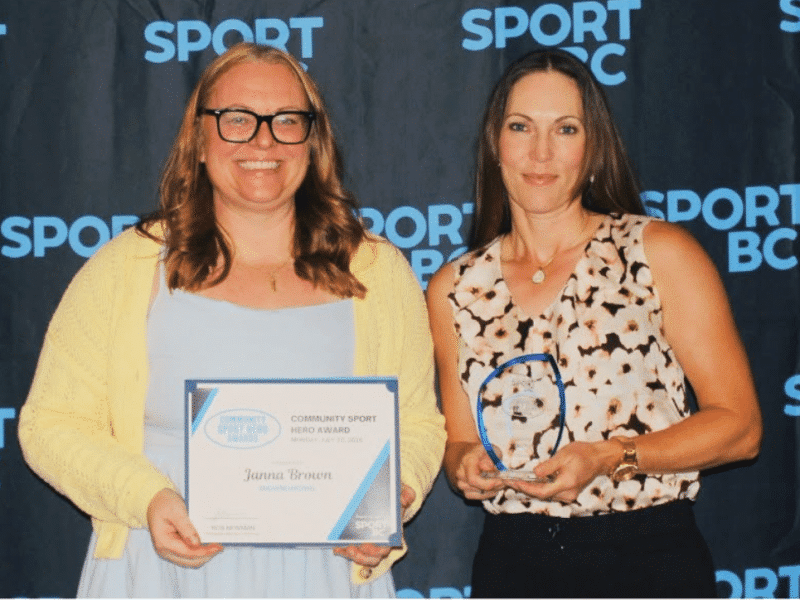
Janna Brown honoured as a Sport BC Community Sport Hero
After 8 years volunteering with the Sun Peaks Freestyle Club, Brown is recognized for her dedication to competitive snowboarding and the athletes in the Sun Peaks community.
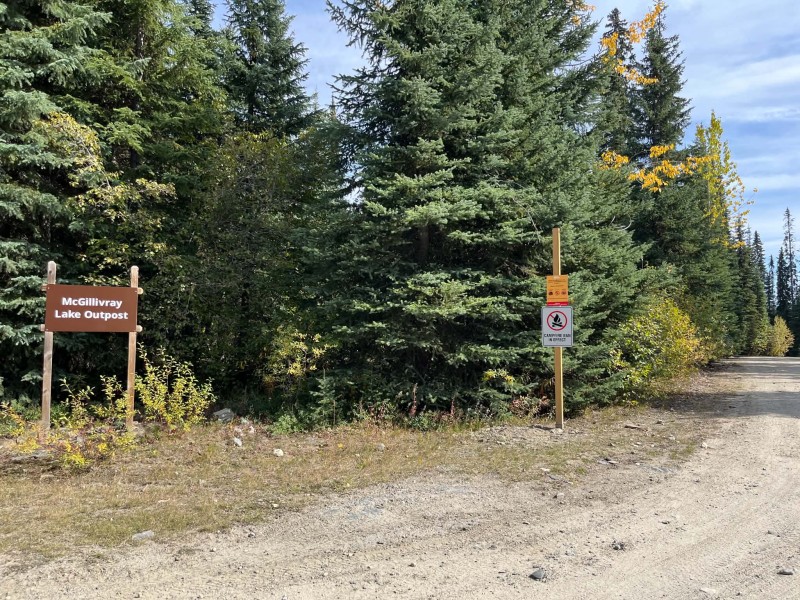
New sign clarifies camping rules at McGillivray Lake Outpost site
Overnight camping has never been permitted at the site, but the rule had not previously been promoted or enforced.